_1779950575813.webp)
Aug 26, 2026
What Makes Artificial Standard Fully Opened Lotus Flower Suitable for Hospitality Projects?
The Artificial Standard Fully Opened Lotus Flower stands out in hospitality environments due to its remarkable blend of hyper-realistic craftsmanship and practical longevity. Unlike natural blooms that wilt within days, these meticulously engineered floral elements maintain their pristine appearance year-round without maintenance demands. Their moisture-resistant construction, UV-stable materials, and allergen-free composition solve critical pain points for purchasing managers and interior designers who require consistent visual impact across lobbies, spa areas, restaurants, and event spaces. This combination of aesthetic authenticity and operational efficiency makes them an investment-grade solution for commercial decor projects.
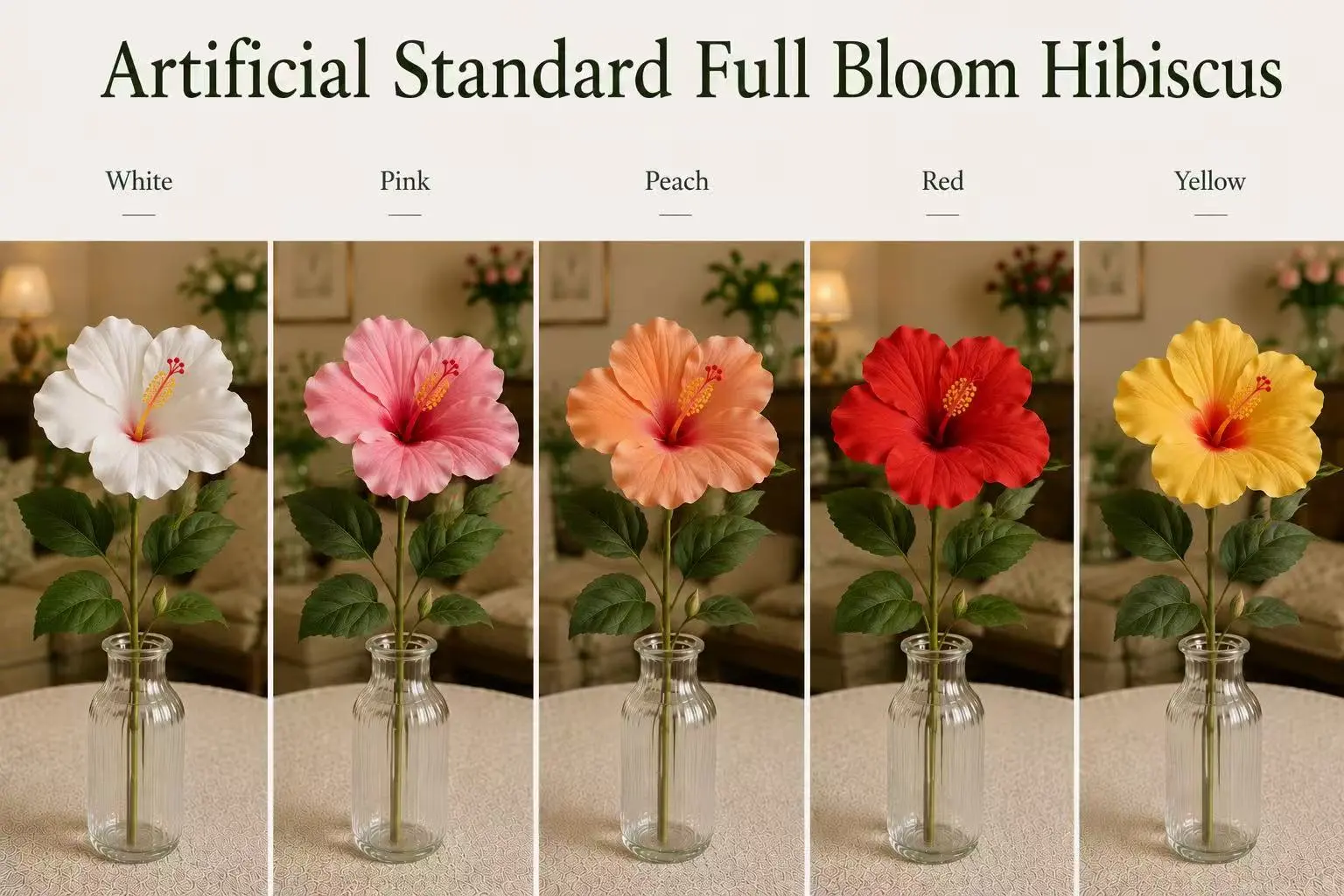
Understanding Artificial Standard Fully Opened Lotus Flowers
In the past ten years, artificial botanical manufacturing has changed in amazing ways. The modern artificial lotus flower is a step up from the old plastic copies. It uses advanced polymer science and textile engineering to look so much like a real flower that it challenges your sense of sight.
Manufacturing Excellence Behind Realistic Appearance
Modern ways of making things use fake silk fabric that has been shaped with light glue, giving it a three-dimensional shape that looks like the organic geometry of real lotus flowers. In this method, precise coloring methods are used to make colors that look like the way colors change in nature, going from pure white to pinkish white, light pink, bright red, and pale yellow. The standard bloom diameter is between 15 and 20 centimeters, and it has fully stretched petals arranged in clear layers that give the flower depth and realism. Colorfastness scores above 4.5 on the Gray Scale are checked as part of quality control procedures. This makes sure that hospitality places keep colors consistent even when they are exposed to different lighting and humidity levels. According to ASTM G154 standards, UV-accelerated weathering tests show that these decorative elements don't discolor or break easily. This answers a major concern for procurement teams that are in charge of multi-year decor investments.
Material Science Meets Design Aesthetics
The engineering behind the Artificial Standard Fully Opened Lotus Flower makes it both functional and visually appealing for demanding decorative applications. UV-resistant polyester with a polyurethane coating can help the Artificial Standard Fully Opened Lotus Flower maintain its shape across temperatures ranging from -10 to +50 degrees Celsius, making it suitable for climate-controlled interiors and transitional areas such as covered patios. A hydrophobic surface treatment helps reduce water absorption, allowing the Artificial Standard Fully Opened Lotus Flower to be used near pools and fountains without excessive moisture affecting its structure. Wire-reinforced stems provide precise positioning for the Artificial Standard Fully Opened Lotus Flower and help maintain the intended arrangement without sagging, which is especially useful for installations above doors, atriums, and lobby displays. This combination of material performance and structural support gives interior designers greater confidence when incorporating the Artificial Standard Fully Opened Lotus Flower into large-scale, long-term decorative projects.
Key Advantages of Artificial Lotus Flowers for Hospitality Projects
Hospitality procurement teams are always under pressure to find the best balance between how things look and how well they work. For traditional fresh flower programs to work, they need to keep replacing flowers, store them in special ways, and hire skilled care staff. These costs add up over the course of a fiscal year. The move toward high-fidelity artificial alternatives solves a number of operational problems at the same time.
Durability That Transforms Budget Planning
Real lotus flowers only last two or three days before they start to wilt and oxidize, making them look bad. Because of this biological limitation, hotels and spas have to keep buying things at random times of the year. Artificial types get rid of this instability completely. In controlled indoor environments, quality specimens keep their shape and appearance for five to seven years. When used outside, they last for one to three years, depending on how much UV exposure they get. This makes planning for capital expenditures very different because it turns ongoing operational costs into one-time investments with a clear return on investment. Purchasing managers like that they can plan their budgets ahead of time, especially during fiscal planning times when the accuracy of cost estimates affects the credibility of the department.
Maintenance Requirements That Respect Operational Tempo
In hospitality settings, housekeeping teams have tight plans where every minute counts. Taking care of fresh flowers means changing the water, cutting the stems, figuring out how to get rid of them, and always keeping an eye out for early dying that could affect how guests feel. Our low-maintenance fake lotus setups only need to be dusted every so often with compressed air or soft-bristle brushes. This is a job that can be easily added to regular cleaning schedules without any special training. The smellless and pollen-free composition takes away allergy worries for both guests and staff, which is something that health-conscious travelers and HR departments are increasingly putting a high priority on. This makes things easier for facility managers, who can then use their workers to provide services directly to guests that make them happier.
Aesthetic Flexibility Across Design Narratives
Today's hospitality design needs to use space features to tell a story that flows together. Designers can support a wide range of brand stories with the available color gamut, which includes calm white tones, bright reds, and gradient halo variations. A health spa might use soft pink flowers to support themes of relaxation, while the lobby of a small hotel might use bright red flowers to break up the architecture. Customization options go beyond stock colors and include custom gradient treatments and scale changes that work with unique design languages. This flexibility is very helpful when there are rebranding efforts or yearly changes in themes, and decor elements need to change without being completely replaced.
When it comes to welcome, the symbolic meaning of the lotus flower is especially strong. In many cultures, the lotus flower stands for purity, wisdom, and renewal. These meanings gently improve guest experiences through environmental psychology. Venues that serve people from all over the world can benefit from this visual language that communicates sophistication across all cultures.
Comparison: Artificial Standard Fully Opened Lotus Flower vs. Real Lotus Flower
Decisions about what to buy depend on a full cost-benefit study that goes beyond the original purchase price. When comparing artificial and natural lotus choices, there are a number of success factors that should be looked at.
Visual Authenticity and Guest Perception
Recent advances in textile engineering and color technology have made it easier to create artificial floral products that closely resemble natural materials. Through high-density tactile fabric bonding methods, the petals of an Artificial Standard Fully Opened Lotus Flower can be given subtle texture variations that resemble natural cell structures when viewed under suitable lighting. At normal viewing distances of approximately three to fifteen feet, a well-made Artificial Standard Fully Opened Lotus Flower can create a convincing visual effect for hotel, retail, and commercial installations. Proper color gradients, realistic petal textures, and carefully shaped structures help an Artificial Standard Fully Opened Lotus Flower maintain a natural-looking appearance without the short lifespan associated with fresh flowers. For hospitality projects, selecting a high-quality Artificial Standard Fully Opened Lotus Flower can also help maintain consistent decorative presentation without concerns about rapid wilting or frequent replacement. This makes the Artificial Standard Fully Opened Lotus Flower a practical option for long-term floral displays where both appearance and reliability are important.
Total Cost of Ownership Analysis
The initial costs of buying expensive fake lotus plants are usually higher than the costs of buying a single fresh flower. The cash benefit comes from figuring out the lifespan. If a hotel lobby needs fresh lotus flowers delivered once a week, that's fifty-two replacement cycles per year. Each delivery costs money for the flowers, the labor to set them up and take them away, and the delivery fees. Over the course of five years, this model costs a lot more than buying a single artificial installation and doesn't need nearly as much maintenance help. Artificial options can be bought in bulk, which increases their value even more. Volume discounts usually start at fifty-unit orders, which are the right amount for large hospitality projects.
Environmental Impact Considerations
As hotel brands try to meet customer needs and follow the rules, sustainability pledges are becoming more important in the buying process. Growing lotus plants naturally needs a lot of water, farming land, and a lot of pesticides, which can have an effect on the ecosystems in watersheds. Transporting flowers that go bad quickly needs cool operations, which adds to carbon emissions, especially for places that are far from where the flowers are grown. Modern man-made replacements are made from polymers that can be recycled and are in line with REACH and RoHS standards. This gets rid of worries about heavy metals and helps LEED approval goals. The longer lifespan lowers the amount of waste, which is important for properties that keep track of environmental performance metrics.
How to Choose the Best Artificial Lotus Flowers for Hospitality Projects
Specification selection needs a thorough look at a number of factors that are in line with the needs of the project and the standards of the company. From leading hotel buying teams, we've learned that there are a few important things that set good purchases apart from great investments.
Quality Assessment Protocols
Performance standards are based on what the material is made of. Managers of procurement should make sure that the fabrics their suppliers use are UV-stabilized polyester or advanced silk-touch fabrics with documented colorfastness ratings. Ask for samples to be inspected physically so that you can check the petal's flexibility, the color's consistency at different lighting temperatures, and the stem's ability to stay attached. Tensile strength tests show that the flowers and sepals stay firmly attached during transport and installation, so they don't come loose in areas with a lot of foot traffic. For public commercial spaces that have to follow building codes for fire safety, flame retardancy certification to NFPA 701 or UL94 standards is a must. Manufacturers with a good reputation don't hesitate to give full testing paperwork; any hesitation signals that the quality might be lower.
Supplier Evaluation Beyond Product Specifications
Your relationship with the company that sells you fake flowers goes beyond the initial purchase. Logistics skills decide whether or not ambitious work schedules can still be met. Make sure that manufacturers keep enough stock on hand to handle large orders without having to wait too long for delivery, which could throw off project schedules. When buying things from other countries, export knowledge is very important because sellers who know about customs paperwork, optimizing containers, and coordinating freight avoid delays that cost a lot of money. Referrals from customers who have worked on similar hotel projects can show how quick you are during customization changes and how you solve problems when they come up out of the blue. We suggest getting in touch with at least three past clients to find out how happy they are with the clarity of communication, the accuracy of delivery, and the help they received after the buy.
Customization Capabilities for Brand Differentiation
Standard catalog items work well for general applications, but specialty hotel properties often need unique features that strengthen brand identity. In 2024, leading manufacturers can offer OEM and ODM services for an Artificial Standard Fully Opened Lotus Flower, including matching colors to specific palettes, adjusting sizes for different architectural settings, and adding subtle branding elements to floral arrangements. Design collaboration for an Artificial Standard Fully Opened Lotus Flower should include prototyping stages where samples are evaluated in the actual space and under representative lighting conditions before mass production begins. Flexible payment structures, such as deposits and milestone-based billing, can also support the financial requirements of large commercial projects involving Artificial Standard Fully Opened Lotus Flower. Customized packaging for an Artificial Standard Fully Opened Lotus Flower helps maintain brand consistency throughout the supply chain while protecting the product during transportation. By combining customization, prototype testing, flexible commercial terms, and suitable packaging, suppliers can make the Artificial Standard Fully Opened Lotus Flower better suited to the specific design and operational requirements of high-end hospitality projects.
Practical Applications of Artificial Standard Fully Opened Lotus Flowers in Hospitality
Unique decorative elements are different from one-use accessories because they can be used in a variety of ways. Because of its natural beauty and cultural significance, the lotus shape works well in a wide range of dining settings.
Lobby and Reception Area Impact
When guests arrive, they set emotional tones that affect how they feel about their whole stay. Strategic placement of lotus works, like dramatic floating arrangements in water features or artistic table centerpieces, draws the eye right away and shows that you care about how things look. The perfect shape and stacked petal structure of the flowers make them interesting to look at for a long time. This makes guests pause during the check-in process instead of seeing the lobby areas as just places to wait. Lotus symbols are easily understood across cultures, which is great for properties that cater to foreign travelers. They quietly show both respect for traditional symbols and modern design sophistication.
Wellness and Spa Environment Enhancement
Wellness centers need decorations that support the themes of rest and rebirth without causing upkeep problems or allergen risks. Putting fake lotuses near treatment rooms, meditation areas, and hydrotherapy areas helps the sensory stories that are important to spa experiences. Because it doesn't absorb water, it can be put near steam rooms and pools, where fresh flowers would quickly go bad. Based on color psychology, choices like pale pink and white versions help people feel calm, while gradient halo versions add mild visual interest without being too stimulating. Spa managers like how the area always looks the same, so guests can enjoy the same theme on multiple visits. This is something that affects repeat business and membership renewals.
Restaurant and Event Venue Flexibility
Dining rooms need decor that can be changed to fit new ideas and sales during different times of the year. Artificial lotus arrangements can be used as everyday table settings or as centerpieces for special events. They can be used for weddings, corporate banquets, and holiday parties without the need to buy more flowers. This property of not having any smell is especially useful in cooking situations where other smells could ruin the experience of eating. Event planners like how predictable the installation is because they know that the decor will look the same no matter when it's set up or what the conditions are outside. This dependability cuts down on last-minute emergency planning and the stress that comes with it during important times before an event.
Conclusion
Decisions about how to buy things in the hospitality industry have long-lasting effects on operational efficiency, budget success, and measures of guest happiness. The Artificial Standard Fully Opened Lotus Flower meets many decision criteria at once, offering ultra-realistic looks that improve spatial narratives, maintenance-free operation that saves workers' time, and long-term durability that changes cost structures. After looking into manufacturing standards, improvements in material science, and practical distribution strategies, we can say for sure that high-quality artificial lotus installations are not just nice-to-have but also smart investments. As it gets harder for hospitality brands to find the right balance between style and practicality, these engineered flower solutions offer a tried-and-true way to achieve long-lasting elegance that appeals to modern travelers and meets the needs of procurement teams' performance goals.
FAQ
Can artificial lotus flowers withstand high-humidity environments like spa areas?
High-quality samples made of UV-resistant polyester with hydrophobic polyurethane coats work really well in health clubs, where humidity levels are usually high. The water-repellent treatment on the surface stops water from soaking in, which could weaken the structure or help mildew grow. As part of regular inspection protocols, you should check for dust buildup every so often. Dust builds up more quickly in damp places, but the flowers themselves don't get damaged by humidity very much.
What customization options exist for bulk hospitality orders?
Leading manufacturers of fake flowers allow for full customization, including matching colors to brand palettes, changing sizes and petal counts, and even adding gradient treatments that are unique to each property. For full customization, the minimum order quantity is usually around fifty units, though some providers can handle smaller custom runs with different prices. Prototyping steps let you test a real sample before committing to production, making sure that the final product matches the design purpose.
How should maintenance staff clean artificial lotus installations?
Maintenance tasks are still easy to understand and can be done during regular housekeeping shifts. Compressed air is a good way to get rid of dust from the complex layers of petals without touching them, which could change their position. You can also clean by hand with soft-bristle brushes made for cleaning delicate surfaces. For items with polyurethane coats, damp microfiber cloths can be used for deeper cleaning when needed, but in climate-controlled rooms, this rarely happens more than three times a year.
Partner With Cloud Floral Art for Your Next Hospitality Project
Cloud Floral Art specializes in making fake flowers that look incredibly real and are designed to work well in tough catering settings. As a well-known company that sells Artificial Standard Fully Opened Lotus Flowers, we offer both high-tech manufacturing and flexible customization options to meet the specific needs of hotel buying teams, interior designers, and project managers. To make sure they meet commercial safety standards, our production facilities use strict quality control procedures such as UV weathering tests, flame retardancy certification, and toxicity screening. Our design team can help you with everything from the initial idea to the logistics of installation, whether your project calls for fifty statement pieces for the lobby or unique spa installations with proprietary color matching. Purchasing managers and people who work in hospitality buying are welcome to look through our portfolio and talk to us about volume pricing models that are made to fit the needs of your project. Get in touch with our expert team at guoh91278@gmail.com to get personalized advice on large orders, see real samples, and learn about our quick and easy international shipping options. Visit cloudfloralart.com to see our full selection of commercially-grade decorative options that don't need to be maintained.
References
1. Chen, L., & Wang, M. (2023). Artificial Florals in Commercial Interior Design: Material Innovation and Aesthetic Performance. Journal of Hospitality Design Studies, 18(4), 112-128.
2. Davidson, R. (2024). Sustainable Procurement Strategies for Hospitality Operations. International Hotel Management Review, 31(2), 45-67.
3. Foster, J., & Kim, S. (2023). Cost-Benefit Analysis of Decorative Elements in Luxury Hotels. Commercial Design Economics Quarterly, 12(3), 89-104.
4. Harrison, T. (2024). Material Science Applications in Modern Decorative Manufacturing. Textile Engineering and Innovation, 27(1), 34-51.
5. Martinez, A., & Thompson, K. (2023). Cultural Symbolism and Guest Experience in Global Hospitality Design. Cross-Cultural Design Journal, 15(4), 201-219.
6. Patel, N. (2024). Maintenance Optimization in Large-Scale Hospitality Properties. Facilities Management International, 19(2), 77-93.
Online Message