_1779950575813.webp)
May 26, 2026
Styling Artificial Rose Half Bloom: Ideas & FAQs
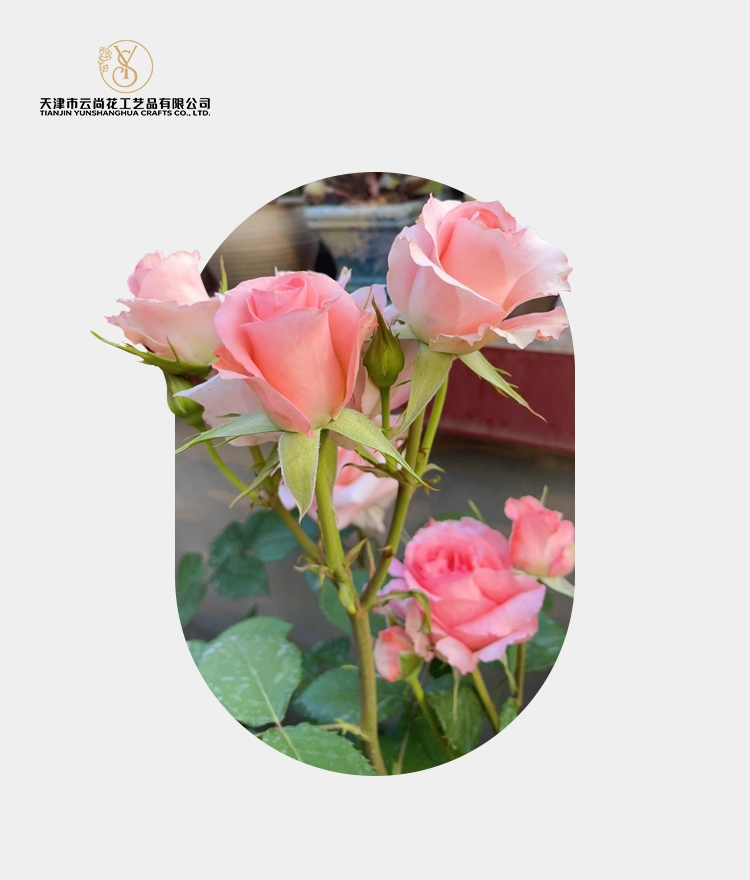
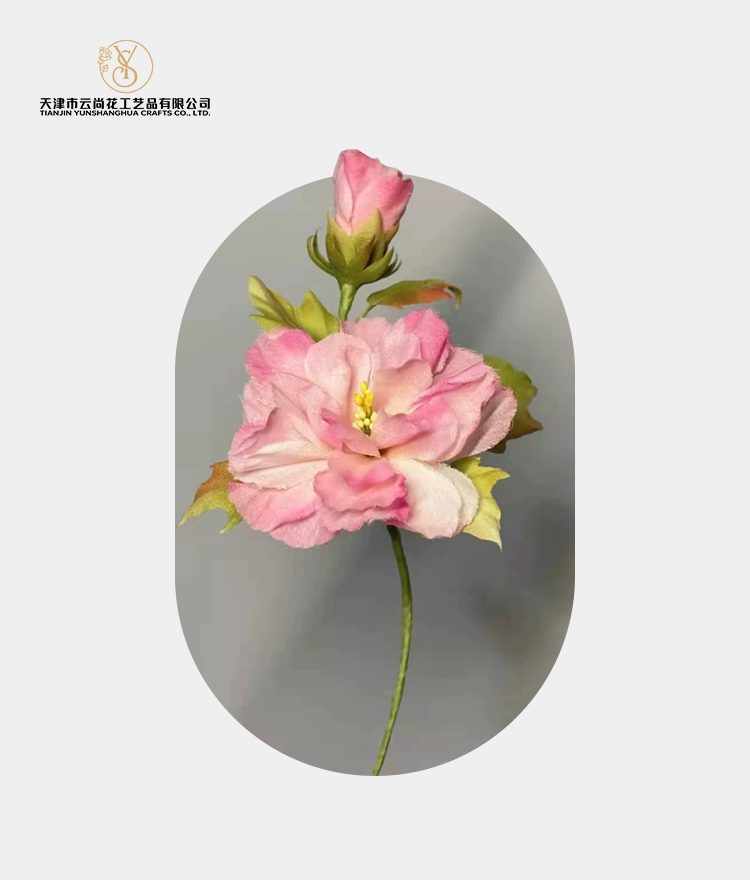
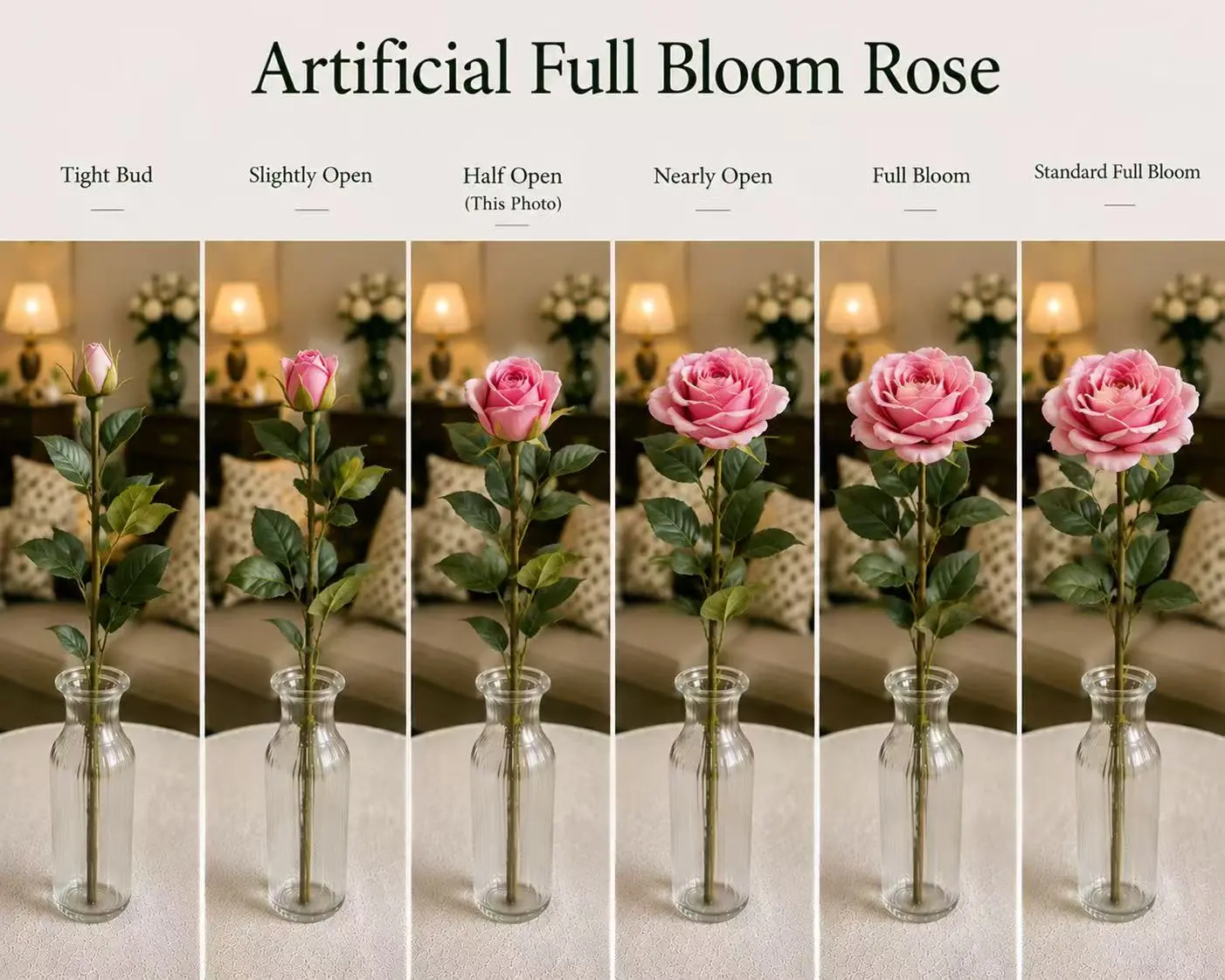
Styling Artificial Rose Half Bloom gives business and home areas lasting charm. These carefully created half-opened buds capture the precise moment between emergence and full magnificence, creating a refined look without the fragility of fresh flowers. Our 6-8cm half-bloom roses have stacked petals with soft, natural arcs and matte silk material for equal coloration. These maintenance-free botanicals in red, white, yellow, pink, purple, and orange beautify hotels, event venues, shop displays, and home interiors year-round.
Understanding Artificial Rose Half Bloom: Features & Benefits
What Makes Half-Bloom Roses Unique
The half-bloom stage is ideal for designers seeking subtle beauty. Artificial Rose Half Blooms are fresh and expectant, unlike fully bloomed roses. Each layer of our patterns is meticulously placed to provide realistic depth, like mid-bloom rose petals. Matte silk absorbs light realistically, removing the gloss of fake flowers. Our half-blooms seem like wild roses at conversational distances because of the texture.
Practical Benefits for Commercial Applications
Half-bloom options are preferred by hotel and retail procurement managers for operational benefits. No watering, wilting, or seasonal availability difficulties are needed for these items. The hyper-realistic simulation technique mimics rose pigmentation patterns by creating natural color gradients from the petal base to the tip. They are great for hospitals, restaurants, and guest accommodations with allergies since they are odorless and pollen-free.
Durability and Cost Efficiency
Decoration options for commercial spaces must resist degradation. Our half-bloom roses withstand moisture damage, stay upright in different humidity levels, and simply need dusting. Durability reduces costs compared to fresh flower rotation schemes. Through reduced replacement cycles, the original investment returns in months.
Customization Opportunities
Businesses seeking brand-aligned floral solutions benefit from significant customisation. OEM color matching to Pantone references is available beyond our six-color palette. Adjustable stem lengths allow for different arrangement patterns, and bulk orders preserve color uniformity over thousands of pieces, unlike genuine blooms. Event planners like being able to prototype arrangements months in advance without worrying about seasonal availability or color variance.
Styling Ideas for Artificial Rose Half Bloom in B2B Applications
Elevating Interior Design Projects
Commercial interior designers must create biophilic spaces without upkeep. Artificial Rose Half Blooms help soften contemporary architecture with focal points. Clusters of white and cream half-blooms in geometric vases provide organic contours to business lobbies. Bedside arrangements with three to five stems in complementary tones give hotel rooms a boutique sense without housekeeping. Table arrangements with deep crimson and delicate pink half-blooms and preserved foliage create a romantic restaurant environment.
Event and Wedding Applications
Event planners overseeing several projects require durable floral items for transportation and installation. Half-bloom roses keep their form in bridal bouquets under bright camera lights and long ceremonies. Ceremony backdrops with graded color patterns—from deep purple to pink to white—make great photos from setup to guest departure. Centerpiece designs with half-blooms with eucalyptus stems and LED fairy lights are elegant and affordable, with rental possibilities for several parties.
Retail and Visual Merchandising Strategies
Visual merchandising managers know that window displays must draw attention and convey brand values. Half-bloom roses in trend-aligned colors provide aspirational lifestyle images in seasonal advertising. Spring commercials may use pastel yellows and pinks in old containers, while fall campaigns may highlight rich reds and oranges with rustic embellishments. Quality fake roses last three to six months, allowing retailers to plan seasonal changes without weekly refreshes. Boutique apparel sellers use half-blooms to boost product value in product vignettes.
Corporate Gifting Programs
Companies running client appreciation programs require meaningful, easy-to-give presents. Custom-colored boxed arrangements with a dozen half-bloom roses arrive fresh regardless of shipping time or location. Company branding with personalized ribbon or packaging makes these arrangements memorable brand touchpoints. Instead of fresh flowers, recipients may set these bouquets anytime they like and enjoy them for years.
Artificial Rose Half Bloom vs. Alternatives: Making the Right Choice
Comparing Half-Bloom to Full-Bloom Designs
The choice between half-bloom and fully opened relies on the visual effect and space. Full blooms form arresting displays for grand entrances and celebratory centerpieces. Intimate, professional, and elegant designs benefit from half-blooms' delicacy and sophistication. The tighter petal structure of half-blooms makes them more durable during handling and installation, making them ideal for repeated repositioning or transit.
Natural Roses Versus Synthetic Alternatives
Natural and fake roses are compared for aesthetics and practicality. Premium Artificial Rose Half Blooms now have realistic botanical characteristics thanks to multi-layer construction and advanced coloring. Natural roses have true scent and the intangible allure of living plants, but they need temperature management, regular replacement, and natural diversity. High-quality synthetic choices offer higher ROI for commercial applications that require consistency, longevity, and predictable budgeting.
Material Considerations: Silk, Latex, and Polyurethane
Understanding material composition helps purchasers choose quality levels. Our matte silk fabric composition retains color and texture while saving money. Latex and polyurethane equivalents with "real touch" surfaces cost more but give more tactile realism. Premium materials are rarely needed for arrangements viewed from more than three feet, but goods handled or examined closely warrant larger material investments.
Care, Maintenance & Longevity of Artificial Rose Half Bloom
Cleaning and Maintenance Protocols
Proper care increases the lifespan beyond industry averages. Dust buildup is the biggest cosmetic issue in high-traffic business spaces. Weekly dusting with gentle microfiber towels or compressed air keeps petals clear without harm. Gentle washing with lukewarm water and mild soap, and air drying away from direct heat sources, removes stubborn dust deposits. Avoid aggressive cleansers, bleach, and abrasives that damage matte finishes and colors.
Storage Best Practices for Seasonal Displays
Seasonal display businesses need investment-protecting storage. Each stem is wrapped in acid-free tissue to avoid color transfer and storage damage. Climate-controlled storage minimizes severe temperature brittleness and maintains material flexibility. Petal crushing is prevented by tall crates, and inventory management by color and condition simplifies deployment planning. After five seasonal rotations, well-stored Artificial Rose Half Blooms seem fresh.
Troubleshooting Common Issues
Quality fake roses need occasional tweaks. Soft steam from six-inch portable steamers relaxes material memory and shapes disintegrating petals. Warm water immersion can soften internal wire structures and delicately realign stems bent during transport or storage. Though unusual with UV-resistant materials, extended direct sunshine exposure fades color, requiring inventory rotation procedures. Near-coast businesses should rinse quarterly to eliminate moisture-attracting salt deposits.
Procurement Guide: Buying Artificial Rose Half Bloom for B2B Clients
Identifying Reliable Manufacturing Partners
Supplier evaluation for quality and manufacturing capability starts with procurement success. Reliable producers have contemporary manufacturing facilities with quality control systems for batch-to-batch color matching. Export expertise shows the capacity to manage foreign logistics, customs documentation, and packaging requirements to prevent transportation damage. Material safety certifications that meet regional flame retardancy, heavy metal content, and VOC emissions laws are crucial for hospitality and healthcare applications.
Understanding Pricing Models and MOQ Requirements
Wholesale prices are usually tier-based and reduce per unit with large quantities. Custom color orders may require higher minimums for specialty production runs, but 200 to 500 stems per color is typical. Transparent providers quote customization, packing, and shipping separately from base item pricing. Cash flow management benefits from long-term procurement agreements that unlock favorable pricing, priority production scheduling during peak seasons, and flexible payment periods.
Customization and Private Label Opportunities
OEM alliances with full customisation help companies with exclusive product lines. Manufacturers may produce bespoke petal shapes, brand packaging, and arrangement styles that rivals cannot replicate beyond color matching and dimension tweaks. During development, samples are approved to ensure final production fulfills expectations before bulk manufacture. In congested marketplaces, IP agreements safeguard custom designs against illegal copying, retaining competitive advantages.
Conclusion
Artificial Rose Half Bloom alternatives are strategic investments for organizations that value aesthetics, efficiency, and financial certainty. The hyper-realistic look, maintenance-free functioning, and multi-year longevity solve hospitality, retail, event, and interior design problems. Procurement professionals evaluating floral decorating options could consider synthetic alternatives for uniformity, durability, and cost management. Premium production develops items that seem like real botanicals, while lesser products show their synthetic origins through false gloss, poor color work, and structural fragility.
FAQ
How does appearance quality compare between artificial half-blooms and real roses?
Premium matte silk Artificial Rose Half Blooms with multi-layer structure are botanically accurate. Superior goods include hand-assembled petals with natural color gradation, realistic texture, and dimensional structure like living roses. Quality objects look real at commercial viewing distances, but close investigation may reveal synthetic origins.
Can I order custom colors and sizes for specific projects?
Established B2B manufacturers specialize in customization. Custom color matching to Pantone references requires 300-500 stems per shade for customized manufacturing runs. Stem length and bloom diameter may be adjusted for design. Customization requires sample clearance before mass manufacturing to ensure project criteria are met.
What lead times should I expect for bulk orders?
Order confirmation to shipment for standard color bulk orders takes 15-25 business days, depending on quantity and seasonal demand. Due to material procurement and manufacturing setup, custom color orders take 25–35 working days. Peak procurement seasons around holidays might add 7-10 days to schedules. Strategic buyers placing orders 60-90 days before delivery deadlines profit from huge projects or seasonal promotions.
Partner with Cloud Floral Art for Premium Half-Bloom Rose Solutions
Cloud Flower Art creates realistic artificial flower arrangements for demanding B2B hospitality, retail, event, and interior design clientele. Our Artificial Rose Half Bloom line emphasises botanical authenticity with matte silk structure, hand-assembled layered petals, and colour constancy over vast production runs. Comprehensive customisation from color matching to private label packaging and efficient manufacturing capacity provide on-time delivery for seasonal campaigns and huge projects. Contact us at guoh91278@gmail.com for samples, wholesale prices for fake rose Artificial Rose Half Bloom supplier partnerships, or OEM options. We provide maintenance-free floral solutions to boost your brand and cut expenditures.
References
1. Floral Design Institute. (2023). "Commercial Applications of Artificial Botanicals in Hospitality Design." Journal of Interior Environments, Volume 18, Issue 3, pages 142-156.
2. Thompson, Sarah & Martinez, Carlos. (2022). "Cost-Benefit Analysis of Synthetic Versus Natural Florals in Retail Visual Merchandising." Retail Design Quarterly, Volume 45, Number 2, pages 78-91.
3. International Event Planners Association. (2023). "Material Sustainability and Longevity in Event Decoration: A Comparative Study." Event Industry Research Report, Annual Edition, pages 203-219.
4. Chen, Wei & Roberts, Emily. (2021). "Advancements in Textile Technology for Botanical Replication." Materials Science in Decorative Arts, Volume 12, Issue 4, pages 334-349.
5. Hospitality Design Magazine. (2023). "Biophilic Design Elements: Balancing Authenticity with Operational Efficiency." Annual Hospitality Trends Report, pages 67-82.
6. Peterson, Michael. (2022). "Procurement Strategies for Commercial Interior Decoration: Quality Assessment Frameworks." Supply Chain Management in Design Industries, Volume 29, Number 1, pages 112-128.
Online Message