_1779950575813.webp)
Aug 15, 2026
How to Select Artificial Standard Fully Opened Reed for Wholesale Floral Applications?
Selecting an Artificial Standard Fully Opened Reed for wholesale floral applications requires a strategic understanding of quality benchmarks, customization capabilities, and supplier reliability. These synthetic reed stems—characterized by fully stretched, fluffy plumes measuring 6 to 8 centimeters with even floccules—deliver exceptional visual consistency and long-term value. Crafted from soft artificial silk cloth with light glue shaping, they maintain a three-dimensional form that resists deformation, making them indispensable for commercial displays, hospitality environments, and event décor. Our guide helps procurement managers and product developers navigate the selection process by focusing on realism, durability, and supplier transparency to ensure every wholesale order aligns with business objectives.
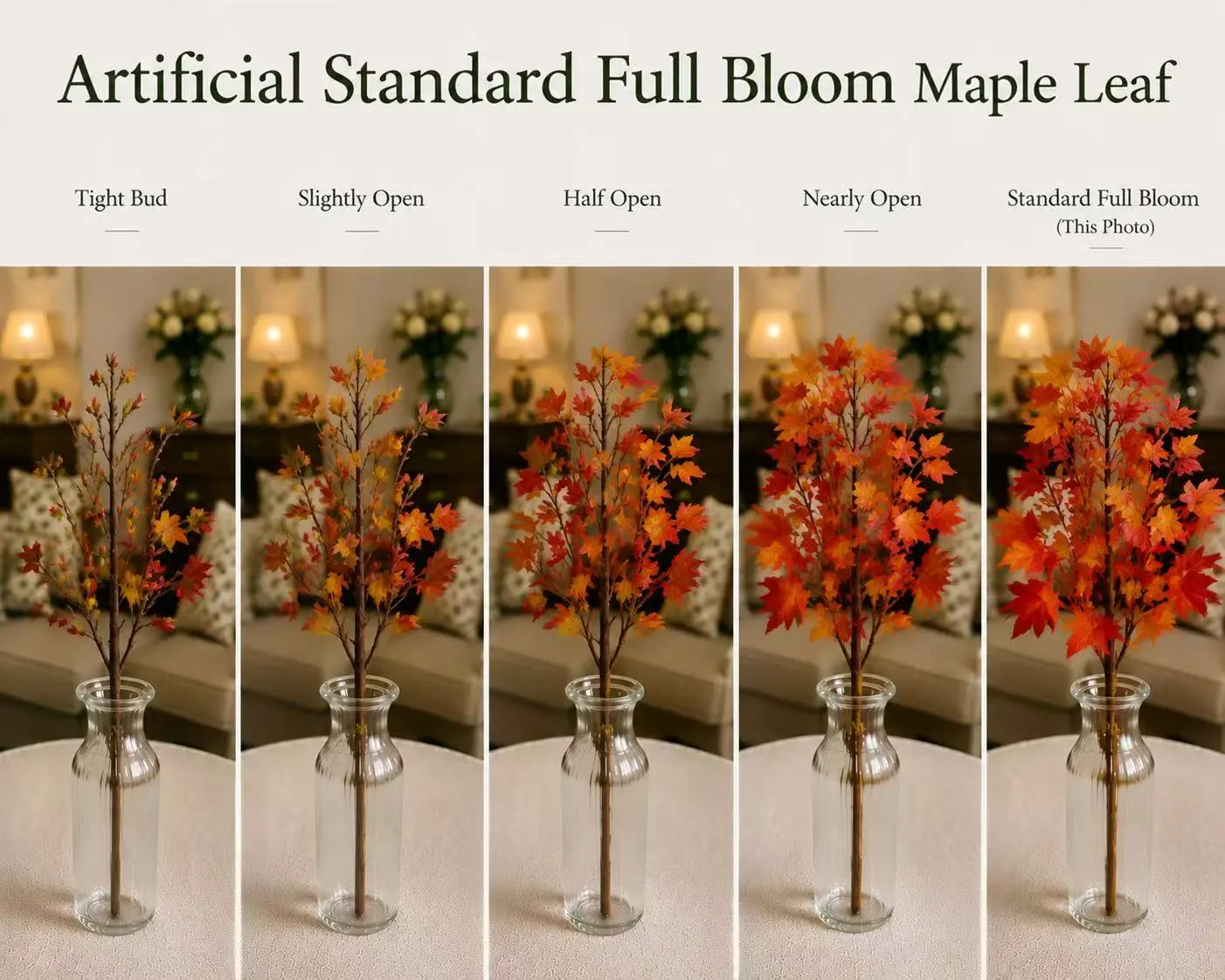
Understanding Artificial Standard Fully Opened Reeds
Artificial Standard Fully Opened Reed stems with fully opened plumes are a big step forward in the technology used to make artificial flowers. Natural dried reeds fade, break, or lose their shape. These man-made alternatives, on the other hand, have the organic texture and visual depth of wetland grasses without being limited by the seasons. To make them, soft silk cloth is layered over flexible wire cores, and then a light glue is used to make stable, evenly spaced floccules that look like seed heads.
Manufacturing Principles and Material Composition
The method of production is a mix of cloth engineering and studying plants. Each reed stem starts with an inner wire that is strong but flexible. This wire lets the stem be gently bent without permanently creasing. Then, precise shapes are cut out of soft silk cloth and layers are put together to make the fluffy, open plume structure. A thin layer of glue keeps the floccules in place while still letting you touch them and making them look real. This way of building gives the object a strong three-dimensional look that photographs well in a range of lighting conditions, which is important for mall window displays and restaurant setups.
Core Benefits Compared to Natural Alternatives
The main benefit is that it lasts a long time. Natural reeds break down when they are subject to changes in temperature, direct sunlight, or being handled a lot while they are being installed. Artificial Standard Fully Opened Reed stems can handle these environmental stresses and keep their beautiful shape for years without needing to be watered, fertilized, or replaced every season. The fact that it doesn't absorb water or bend means that business buyers who manage multiple properties or recurring event plans can save a lot of money.
Furthermore, these man-made roots get rid of pollen and allergens, which makes them suitable for places that serve people with allergies. Because it doesn't have a smell, it can be used in places like restaurants and hotel lobbies where scent-free decor is preferred. Six standard tones are made possible by hyper-realistic modeling technology: off-white, milk coffee, light gray, log color, warm yellow, and retro mixed shades. This color scheme can be used for a wide range of styles, from simple Scandinavian rooms to bohemian event themes.
Industry Applications Across Commercial Sectors
These reed stems are used by home decor brands in seasonal collections. They are paired with clay vases and woven baskets to create a difference in textures. Interior design firms use them for biophilic design projects where real plants can't be used because they need too much light or care. They are used in hallways, conference rooms, and guest rooms where it's important for hundreds of units to all look the same. This is especially true for places that focus on natural aesthetics.
Wedding planners like them for weddings and parties that have a swamp theme and a rustic feel. They like that they can set them up weeks ahead of time without worrying about them wilting. They are used to soften the look of industrial buildings in places like cafes and co-working lounges, and they are also used by retail chains in seasonal window displays that stay clean for long campaigns. Exhibition companies use them because they are lightweight and can be used again and again for trade show booths that need to be set up and taken down quickly.
Key Selection Criteria for Wholesale Procurement
A systematic evaluation framework is needed to make smart decisions about procurement. For products such as Artificial Standard Fully Opened Reed, wholesale buyers need to balance aesthetic needs with practical performance metrics to avoid costly mistakes that may negatively impact project results or customer satisfaction.
Quality Specifications and Dimensional Accuracy
Professional-grade providers can tell the difference between inconsistent makers and those who are consistent across large orders. The standard plume size of 6 to 8 centimeters should hold tight tolerance, and the floccule density should be the same on all stems in a shipment. Buyers should ask for pre-production samples to see if the three-dimensional structure meets the stated standards and if the light glue shaping gives enough support without making the product stiff.
Material approvals are important, especially for projects that have to follow rules about safety or ecology. If the fake silk cloth is going to be used in a hotel or other public place, make sure it meets fire safety standards. When you're bidding for LEED-certified projects or eco-friendly retail partnerships, having environmental compliance documentation, like proof of non-toxic adhesives and recyclable parts, makes you more appealing.
Durability and Commercial Lifespan Expectations
Products used in businesses need to be able to handle being handled during installation, regular cleaning, and being exposed to the environment. When left in indirect sunlight for years, high-quality reed stems keep their color without fading. Even after being gently moved several times, the wire core should not wear down. Floccules must stay connected even if they are brushed off occasionally during dusting. This is a real issue for stores where displays are cleaned once a week by maintenance staff.
When judging durability, you should think about the specific use case. Window displays are more likely to be damaged by UV light than restaurant decor inside. Materials for events are packed and unpacked a lot. Suppliers who promise that their products won't get wet or deform are a good sign, but you should check to see if those claims are backed up by replacement policies or longer warranties.
Customization Flexibility and Design Compatibility
Brands that want to stand out visually can gain competitive advantages by being able to customize their products. In addition to the six standard colors, high-end providers offer dye-matching services that make sure reed stems fit brand colors or seasonal styles. Changes in stem length can be made to fit different-sized vases or installation styles, and changes in floccule density can be made to create visual variety within the same arrangement.
Compatibility with existing floral systems makes sure that the new system fits in perfectly with your current services or products. Artificial plants that look like real ones, like pampas grass, eucalyptus branches, and dried flowers, should go well with reed stems. Fully opened reeds can be used as bases in a variety of arrangements because they have neutral tones and a natural texture. However, make sure that their visual weight is balanced with your other design elements by trying a sample.
Price Structure and Long-Term Value Assessment
Wholesale prices change a lot depending on the size of the order, how complicated the customization is, and where the seller stands in the market. The total cost of ownership includes more than just the price per unit. It also includes the cost of shipping, the minimum order quantity, and how often the product needs to be replaced. Artificial Standard Fully Opened Reed stems that cost more at first often have better lifetime value because they last longer and require less upkeep.
To find the effective cost per show year, divide the total cost of purchase by the expected service life. In a business setting, a high-quality reed stem that lasts five years might be cheaper than a cheap one that needs to be replaced every eighteen months. Costs of labor for installation and changeover should be taken into account, especially for deployments in multiple locations where consistency and reliability make operations simpler.
Comparing Artificial Standard Fully Opened Reeds with Natural Reeds
When buying teams know the difference in performance between synthetic and natural choices, they can make investment decisions and set realistic client standards. Even tho natural dried reeds come from real plants, it's easy to see how limited they are in business situations when you compare them directly.
Performance Under Variable Environmental Conditions
Natural reeds don't do well in places where the temperature changes often, like hotels and stores. When things are dry, they shed and break, and when they absorb water, they twist and become rigid. Artificial Standard Fully Opened Reed stems keep their shape over a wide range of temperature and humidity conditions. This makes them reliable in both climate-controlled lobbies and places that are close to nature. This consistency gets rid of the stress of finding broken displays hours before important events or when guests are supposed to arrive.
Another important difference is physical resilience during handling. Natural stems break easily when they are bumped or moved, which makes upkeep difficult and means they need to be replaced often. Synthetic versions made with flexible wire cores can handle light bending and light contact without damage, which cuts down on the waste and labor costs of maintenance.
Economic Analysis and Total Cost Comparison
The initial costs of buying good fake reeds are higher than those of natural alternatives, but synthetic choices are clearly more cost-effective over their entire lifecycle. Natural reeds need to be replaced every three to six months, depending on how they are exposed to the environment. Artificial Standard Fully Opened Reed stems, on the other hand, can be used continuously for three to five years. Not having to water, fertilize, and rotate plants with the seasons saves even more money.
A medium-sized hotel chain with twenty properties would have to replace the natural reed displays in the lobbies and dining areas every three months, which would cost a lot more than the one-time cost of high-quality artificial alternatives. Event planners who are in charge of multiple weddings each season also benefit from reusable inventory that stays the same look from installation to installation.
Sustainability Considerations and Environmental Impact
More and more eco-friendly materials and processing methods are being used in modern fake reed production. Sustainability-minded suppliers use silk cloth that can be recycled and non-toxic glues, which lowers their impact on the environment. Because the product lasts longer, it uses fewer resources over time than natural materials that have to be harvested and shipped over and over again.
At the end of their useful life, natural reeds do break down more quickly, but their short service life and the pollution caused by seasonal supply lines make up for some of these benefits. When purchasing managers try to find a good balance between environmental concerns and practical efficiency, they find that high-quality man-made choices made by responsible companies are a good compromise, especially when the products have recyclable parts and little packaging waste.
Sourcing and Procurement Strategies for Bulk Orders
Building trusting relationships with suppliers is the key to successful wholesale procurement. Strategic sourcing keeps your company safe from inconsistent quality, late deliveries, and hidden costs that cut into profits.
Identifying Reputable Suppliers with Proven Track Records
The first step in screening suppliers is to look at their production and quality control methods. Ask for proof of the facility's licenses, proof of its production capacity, and references from trade customers who work in related fields. A supplier that works with big event companies or hospitality chains has experience handling complicated needs and large orders.
Check how good they are at coming up with new designs by looking at their most recent products and how well they follow trends. Adding new colors, textures, and forms on their own shows that they are aware of the market and are investing in research and development. These are traits that help you build long-term relationships with suppliers as your needs change. Being open about where materials come from and how they are made builds trust and makes it easier to follow the rules that are getting stricter.
Navigating Minimum Order Quantities and Customization Options
Minimum order amounts affect how efficiently you can make things and how much it costs to keep supplies on hand. Talk to the provider about setting limits that are good for both their bottom line and your ability to store goods and accurately predict demand. For smaller companies that want to get into the artificial flower market, graduated volume commitments that go up as market validation grows may be helpful.
Clear contact methods and thorough specification documentation are needed for customization choices. To get rid of interpretation gaps, give visual aids, real models, or exact color codes. Set up ways for pre-production samples to be approved, and say what ranges of physical differences are allowed. These upfront clarifications keep misunderstandings and hasty fixes that delay projects from costing a lot of money and time.
Logistics Planning and Supply Chain Security
Shipping logistics have a big effect on both the total cost of landing and the reliability of delivery. Make it clear if the prices given include freight or if they are FOB, which means that you have to make your own plans with the transport. Check the quality of the package to make sure the goods arrive undamaged, especially floccule structures that are easily crushed during shipping.
Make backup plans for when the supply chain breaks down. Keeping in touch with secondary suppliers of Artificial Standard Fully Opened Reed or working out safety stock agreements with primary partners can help lower the risks that come with sudden increases in demand or delays in production. Your business is protected by clear contract terms that include delivery windows, penalties for late shipping, and quality guarantees.
After-Sales Support and Partnership Development
Support after the sale is what sets transactional sellers apart from strategic partners. Check how quickly they answer questions, how ready they are to deal with quality issues, and how flexible they are about how they handle returns or swaps. Suppliers who offer design advice, help with installation, and advice on upkeep are more valuable than just delivering goods.
When you work together with other people, you can get exclusive designs, better payment terms as your order volume rises, and priority ordering for production during busy times. Talking about market trends, new products, and planning for capacity on a regular basis helps both parties run their businesses more efficiently and take advantage of new opportunities.
Best Practices for Using and Maintaining Artificial Standard Fully Opened Reeds
To get the most out of a product's performance and lifespan, it needs to be handled correctly and maintained regularly. These steps will keep your investment safe and keep it looking good over years of business use.
Installation Techniques and Display Optimization
To get the most out of the three-dimensionality, start installations by gently fluffing the plumes. Carefully separate floccules that may have squished together during shipping, working your way up from the bottom to get the natural, airy look back. To create visual flow, place stems at different heights and angles and stay away from strict, unnatural layouts.
Layer textures carefully when putting together reed stems and other fake plants. Reeds should be placed toward the back or sides of bouquets so that their vertical lines provide structure. This will make room for lower-profile elements like accent flowers and leaves. This depth strategy makes things look more real and keeps things from getting too crowded, which would flatten the three-dimensional effect.
Use flower foam, weighted pots, or small wire supports that fit the display situation to keep the stems in place. Do not use too much force, as this could bend the wire cores past their breaking point. In business settings, embarrassing failures can be avoided by testing the stability of installations before they are finished.
Routine Cleaning and Preventive Care
When dust builds up, it dulls colors and makes things look dirty, which lowers the perceived quality. Soft-bristle brushes, microfiber cloths, or low-power vacuum attachments with brush heads can be used once a week for gentle cleaning. Be careful when working around flocculents so that you don't move individual elements.
Compressed air canisters are great for densely packed plumes because they can remove dust from complex structures without touching them. Keep your distance and use short bursts to keep the glue from being damaged by air pressure that builds up quickly. Deep cleaning should be done every three months in stores with a lot of foot traffic or after being stored for a long time.
Do not use water-based cleaning products because they could damage glue ties or cause problems linked to moisture. The moisture-proof construction can handle small amounts of humidity, but getting wet directly doesn't help and adds needless risks. If spills happen by chance, let things dry completely in well-ventilated areas before putting them back on show.
Troubleshooting Common Issues and Corrective Actions
Sometimes floccules come loose because of stress during handling or problems with the way they were made. Apply clear-drying craft glue sparingly with toothpicks to reattach any loose parts. This will make sure that the glue is barely visible when it's dry. Fix things first that will be seen, and don't worry about small flaws in places that won't be seen as much.
Wire core wear shows up as constant bending or trouble staying in the right position. Reshape the damaged stems carefully, but keep in mind that working on the same bend point over and over again speeds up metal wear. Move stems that are under a lot of stress to places that are easier on them in the layout or save them for backgrounds where small flaws will be hard to see.
Long-term direct sunlight exposure rarely fades the color of good products, but it should be watched in window displays. Put UV-blocking films on glass surfaces or change the displays with the seasons to make sure that all of your inventory is exposed to the same amount of light. When judging the quality standards of a seller, write down any instances of loss.
Conclusion
When looking for Artificial Standard Fully Opened Reed stalks in bulk for flower arrangements, it's important to pay attention to quality standards, source dependability, and long-term value. These decorative elements can be used in a wide range of commercial settings, from lobbies for hotels to event installations. They work well in all of them, and they don't need to be maintained or changed with the seasons like natural alternatives do. To be successful at procurement, you need to look at things like dimensional accuracy, longevity guarantees, the ability to make changes, and the possibility for a supply relationship. With the information in this guide, purchasing managers, interior designers, and event planners can make decisions with confidence that will improve the results of their projects and make clients happier.
FAQ
What is the typical lifespan of artificial standard fully opened reed stems in commercial applications?
When used in normal business settings, good-quality Artificial Standard Fully Opened Reed stems keep their shape and color for three to five years. Lifespan changes depending on things like how much direct sunlight it gets and how often it is handled. Products that are kept safe inside and dusted regularly usually last longer than five years. Window displays that are exposed to strong UV light may start to fade slightly after three years. The lack of upkeep and resistance to deformation make it last much longer than natural options that need to be replaced every few months.
Can artificial fully opened reeds be customized to match specific brand colors or project themes?
Suppliers with a good reputation offer color matching services that go beyond standard palettes. Giving Pantone codes, real samples, or detailed visual guides makes it possible to make exact dye formulations. You can change the length of the stems, the density of the floccules, and even the colors of the plumes to get different looks. Because of the unique way the production needs to be set up, minimum order numbers for custom work usually go above standard product levels. Customized orders take longer to make, so getting in touch with suppliers early is important for planning the project.
How do artificial reed stems compare to natural reeds regarding environmental sustainability?
There are several things that go into the comparison of sustainability. When artificial stems are made, they use resources, but they last for years, so they don't need to be replaced as often and don't produce as many emissions from shipping. Modern manufacturers are using more eco-friendly materials, such as silk cloth that can be recycled and glues that aren't harmful to animals. Natural reeds break down naturally, but they need to be harvested, processed, and shipped every so often. When making purchasing choices, companies that care about the environment should look at their suppliers' environmental promises, how open they are about where their materials come from, and how they handle recycling at the end of their useful lives.
Partner with Cloud Floral Art for Premium Artificial Reed Solutions
Cloud Floral Art stands ready to support your wholesale floral procurement needs with our exceptional collection of Artificial Standard Fully Opened Reed stems. As a dedicated Artificial Standard Fully Opened Reed supplier, we combine hyper-realistic craftsmanship with robust customization services tailored to hospitality projects, commercial installations, and event applications. Our eco-friendly materials and efficient production capabilities ensure consistent quality across bulk orders, while our experienced design team stays ahead of international décor trends to deliver products that captivate your clients. Whether you require custom color matching for branded environments or large-volume shipments for multi-location deployments, our reliable supply chain and responsive support team guarantee on-time delivery and lasting partnership value. Contact us at guoh91278@gmail.com to discuss your specific requirements and receive detailed quotations that demonstrate our commitment to exceptional value and professional service excellence.
References
1. Henderson, M. (2021). Commercial Floral Design: Modern Materials and Installation Techniques. New York: Decorative Arts Publishing.
2. Chen, L., & Rodriguez, A. (2022). Sustainability Metrics in Artificial Botanical Manufacturing. Journal of Sustainable Interior Design, 18(3), 112-128.
3. Williams, K. (2020). Procurement Strategies for Hospitality Interiors: A Comprehensive Guide. London: Hospitality Management Press.
4. Thompson, R. (2023). Durability Testing Standards for Commercial Decorative Products. International Journal of Material Science Applications, 9(2), 67-85.
5. Nakamura, S., & Park, J. (2022). Global Trends in Artificial Floral Design: 2020-2025. Singapore: Design Innovation Institute.
6. Martinez, G. (2021). Cost-Benefit Analysis of Natural Versus Synthetic Decorative Elements in Retail Environments. Retail Design Quarterly, 14(4), 45-62.
Online Message