_1779950575813.webp)
Aug 29, 2026
How Does Artificial Standard Fully Opened Reed Create Natural-Looking Decorative Spaces?
Artificial Standard Fully Opened Reed creates natural-looking decorative spaces through meticulous design that replicates the organic structure and texture of genuine reed plants. The fully stretched flower spikes with evenly distributed floccules achieve a three-dimensional, authentic appearance that mimics nature's randomness while maintaining elegant uniformity. Crafted from soft artificial silk cloth with light glue shaping, these decorative elements offer visual realism without the maintenance challenges associated with living plants. The versatile color palette—including off-white, milk coffee, light grey, log color, warm yellow, and retro mixed tones—allows seamless integration into various design schemes, from mall window displays to restaurant ambiance and wetland-inspired landscape arrangements.
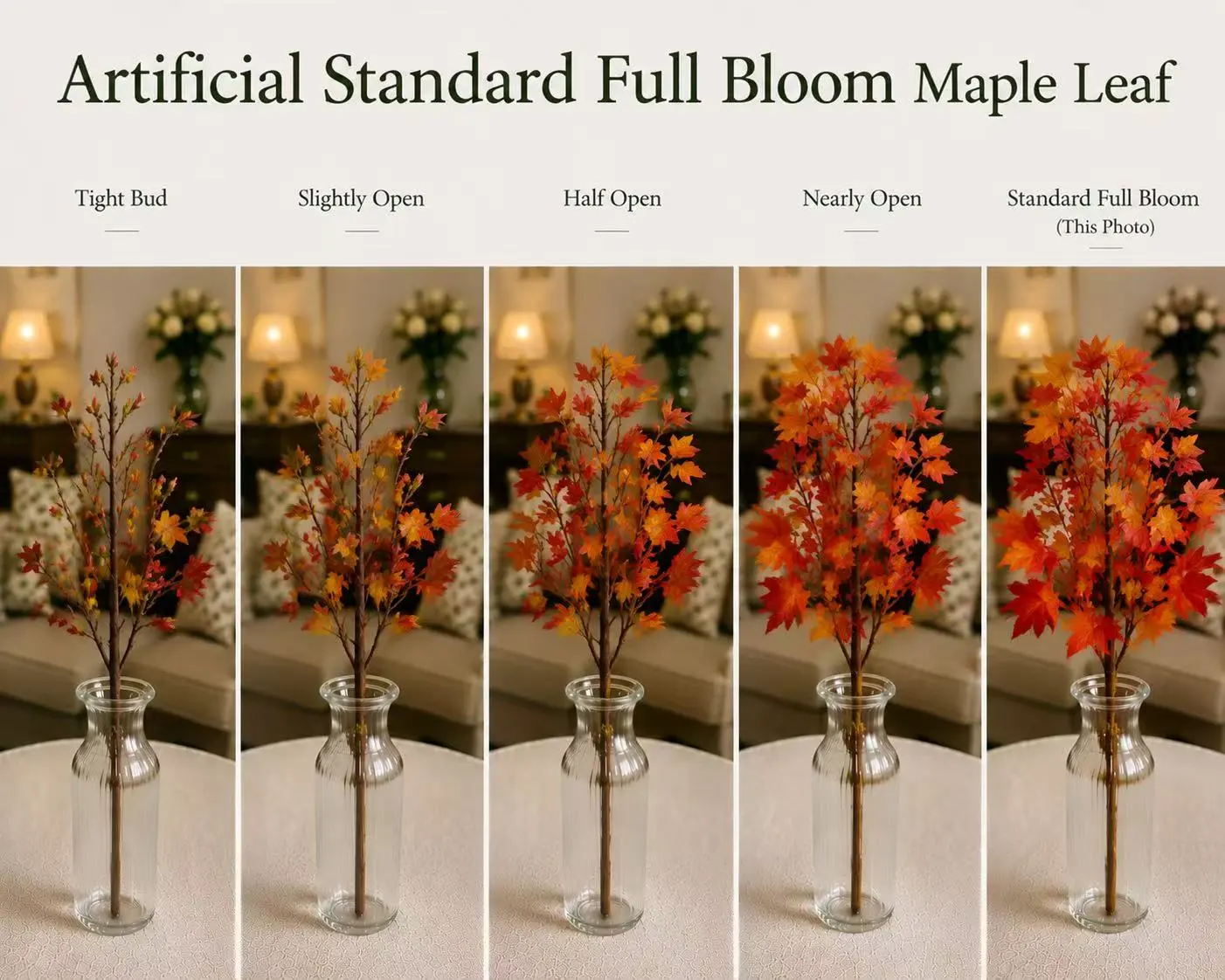
Understanding Artificial Standard Fully Opened Reed: Features and Benefits
We often find that artificial reed arrangements solve multiple procurement problems at the same time when we work with clients who want long-lasting decorative solutions. The Standard Fully Opened Reed is a big step forward in the design of synthetic plants, and it has benefits beyond just looking good.
Material Composition and Construction Quality
The main material of the product is soft fake silk cloth, which is strengthened with light glue shaping to keep its shape over time. With this mix, longevity is achieved while keeping a natural, light look. Unlike cheaper options made of hard plastics, the silk cloth construction lets it move slightly and have a lifelike texture that stands out in business settings. Each spike is 6 to 8 cm long and has flower heads that are fully stretched, fluffy, and evenly distributed with follicles.
The way the fake plants were made stops problems like color loss, deformation due to changes in humidity, and material degradation that happen with lower-quality artificial plants. This design approach solves a major problem for hospitality procurement managers: they need decorative elements that can stand up to a lot of foot traffic while still looking good.
Practical Advantages for Commercial Applications
Working with retail spaces and hotel chains has shown us that fully opened reed designs have a lot of great benefits. The fact that they don't need to be maintained means that you don't have to pay people to water, prune, and replace natural setups that are dying. When artistic items only need to be dusted once in a while instead of constant gardening care, budget forecasts become more accurate.
These Artificial Standard Fully Opened Reed arrangements are especially useful in places that serve people with allergies or sensitivities because they do not produce pollen or strong natural odors. Large hotel projects can use Artificial Standard Fully Opened Reed instead of fresh plants to create a consistent decorative appearance while reducing concerns associated with pollen and plant maintenance. The realistic appearance of Artificial Standard Fully Opened Reed can also help create a more natural visual atmosphere in guest areas, lobbies, and commercial spaces. Moisture resistance is particularly important for Artificial Standard Fully Opened Reed used in humid environments such as spa reception areas, poolside restaurants, and covered outdoor spaces where natural plants may require more intensive maintenance. By combining a natural-inspired appearance with low-maintenance performance, Artificial Standard Fully Opened Reed can provide a practical decorative solution for demanding hospitality and commercial environments.
How Artificial Standard Fully Opened Reed Works to Mimic Nature
For natural aesthetics to be convincing, they need to be more than just superficially similar. The idea behind fully opened reed is to make it look like real marsh plants, which have a lot of different structural elements.
Design Principles Behind Realistic Appearance
There are certain ways that natural reed grows, like how the floccules group together, how light reacts with the different surface textures, and how the color of each spike changes slightly. Our design team looks at these traits to help them come up with output requirements. The term "fully opened" refers to flower spikes that are fully extended, which looks like natural reeds that are fully grown during their peak growth season.
Careful attention to layers and depth gives it a three-dimensional look. Each stem is not a flat, two-dimensional shape; instead, it has many lines and angles that create natural shadows and visual interest from different viewing angles. This level of accuracy is especially useful in business settings where decorative elements are seen from different angles throughout the day.
Color Palette and Texture Integration
The range of colors available is true to the tones of reeds found in nature. Off-white looks like bleached dried reed stalks, while milk coffee and light gray look like later stages of weathering. Log color has warm, earthy tones that work well with rustic design styles. Warm yellow, on the other hand, makes you think of new, healthy growth. The retro mixed color choice arranges several shades together in a single arrangement to look like the natural color difference you see in old reed beds.
Texture modeling can also be used to see how light affects finishing on surfaces. The material of silk cloth accepts and reflects light like natural plant fibers, so it doesn't have the fake shine that you can tell from cheaper synthetic botanicals. When put in restaurant settings or mall window displays, these arrangements look real from normal viewing distances. They create an atmosphere without showing that the materials are fake.
Installation Flexibility Across Settings
Different deployment methods are used for different projects. Fully opened reed stems can be kept in mall window displays in weighted vessels or custom bases made to match seasonal store themes. Reed arrangements are often used in restaurants as part of bigger botanical works. They are often combined with artificial foliage that matches the real plants to make a setting that tells a story.
Wetland landscape designs are another important type of application. Artificial reed is good for outdoor business properties that want low-maintenance gardening options because it doesn't get damaged by the weather and looks the same all year. Natural marsh plants need to be carefully managed for water and go dormant during certain times of the year. Artificial options, on the other hand, keep adding to the beauty of the area all year long.
Comparing Artificial Standard Fully Opened Reed with Alternatives
Clear comparisons between options help people make decisions about what to buy. Knowing the changes in performance helps make sure that the materials chosen are in line with the project's goals.
Artificial Versus Natural Reed Performance
Genuinely biological origin and truly random differences are some of the things that make natural reed look nice. But these perks come with high costs for running the business. Natural plants need to be watered regularly, have the right drainage systems in place, and be replaced when they reach the end of their useful life. Seasonal variation means that the way something looks changes throughout the year, which might not meet the branding needs of businesses that need to stay consistent.
These upkeep needs are taken care of automatically by Artificial Standard Fully Opened Reed, which also provides consistent visual performance. When compared to the continued costs of replacing and caring for real plants, the initial investment in high-quality artificial arrangements usually pays for itself over three to five years of trouble-free use. When hotel clients switched from natural to high-quality fake plants, their costs went down by 60–70% over five years, as shown in our ROI analyzes.
Controlling the environment is another important factor. Natural reed can handle certain ranges of temperature and humidity. Sometimes, climate-controlled business spaces are not the best places for plants to grow. Artificial options work the same in all kinds of environments, from air-conditioned stores to restaurant decks with natural airflow.
Semi-Opened Versus Fully Opened Design Variations
In the types of fake reed, buyers can find both partially and fully opened styles. Flower spikes that are only partly spread on semi-opened styles show that they are in earlier stages of growth. This style works well with designs that stress restraint and a light botanical presence.
When designs are fully opened, they make stronger visual statements. When floccules are fully extended, they make arrangements that are fuller and more dramatic, which is good for installations that are the center of attention. Commercial places that value strong visual marketing usually choose fully opened versions because they stand out more and have better 3D quality.
The selection criteria should take into account the viewing distance and the environment. The refined look of semi-opened designs may work better in small eating areas, while the fuller visual weight of fully opened spikes is better for large-format store installations that need to be seen across large floor plans.
Procurement Guide: How to Source and Maintain Artificial Standard Fully Opened Reed
For successful procurement, you need to know what the supplier can do, how you can customize the product, and what you can expect from its long-term performance. Because we work with procurement managers in a lot of different businesses, we know what the most important selection factors are.
Supplier Evaluation and Customization Capabilities
There are a few important traits that good sellers always show. Production capacity needs to match project timelines, especially for displays that happen at certain times of the year or for events. We keep our production lines running smoothly so that we can finish large orders quickly without lowering the quality of our work.
Customization flexibility takes into account the specifics of each project. Manufacturers you can trust offer more than just standard color choices. They can also match colors to specific brand themes or interior design plans. Different sizes are available to fit different spaces. For example, taller stems can be used for dramatic vertical installations, while shorter stems can be used for tabletop setups or small show areas.
Different providers have different minimum order amounts. Manufacturers who offer volume pricing structures that improve unit economics for bulk purchases are good for big projects. Event planners and wedding coordinators need suppliers who can handle smaller custom orders for one-time installations. Hotel chains and store owners, on the other hand, need reliable fulfillment for ongoing maintenance of many properties.
Quality Assurance and Verification Methods
Before committing to a large order of Artificial Standard Fully Opened Reed, procurement professionals should request physical samples to evaluate material quality and construction accuracy. When inspecting Artificial Standard Fully Opened Reed, check the stability of the floccule connection, the flexibility of the stem, and the color consistency under different lighting conditions. High-quality Artificial Standard Fully Opened Reed should maintain its intended shape when gently handled and return to its original form without obvious creasing or permanent deformation. Buyers should also examine the overall structure of Artificial Standard Fully Opened Reed to ensure that the stem, decorative elements, and surface finish meet the project's specifications. Testing samples before purchasing Artificial Standard Fully Opened Reed in bulk can help procurement teams identify quality issues early and reduce the risk of receiving products that do not meet installation requirements. A careful sample evaluation provides greater confidence that the final Artificial Standard Fully Opened Reed shipment will deliver consistent appearance and performance across the entire project.
When testing for durability, the item should be exposed to the expected environmental conditions. For placements outside, check promises of UV resistance and weatherproofing. Materials used in indoor commercial settings must meet fire safety standards and not give off any smells that could make guests uncomfortable.
Warranty policies and customer service after the sale are what set reputable providers apart from generic ones. Procurement security for big investments includes clear documentation of expected lifespan, replacement policies for manufacturing flaws, and helpful customer service channels.
Maintenance Strategies for Extended Performance
Even though they are advertized as maintenance-free, fake reed setups need to be cared for every so often to keep them looking their best. Regularly vacuuming removes dust that dulls colors and hides details in textures. Attachments for vacuum cleaners or microfiber cloths with soft brushes get rid of dust effectively without hurting small particles.
For business systems in high-traffic areas, deep cleaning every three months keeps things fresh. Cleaning the environment gently with a mild soap solution and then letting it dry completely in the air gets rid of any pollutants that have built up. Do not use rough chemicals or cleaning methods that could damage the shine on materials or break down adhesive ties.
When installing for the season or changing out display elements, you need to think about storage. Artificial reed should be kept away from direct sunlight in a cool, dry place. Proper storage in protected cases keeps arrangements from getting crushed or deformed during the off-season, so they can be used again and again.
Future Prospects and Value of Artificial Standard Fully Opened Reed in B2B Decorative Markets
Concerns about sustainability and the need for operational efficiency are changing how procurement decisions are made, and the market is moving more toward artificial botanical solutions. Several trends that are coming together show that fully opened reed patterns can reach a bigger market.
Sustainability and Environmental Considerations
As a result of corporate sustainability efforts, people are interested in artificial alternatives that don't need as much water or chemical fertilizers or pesticides to keep alive. Although making fake plants requires the production of materials, lifecycle studies are showing that they are better for the environment than the cumulative resource needs of keeping natural installations alive for many years.
Quality artificial arrangements last longer, so they don't need to be replaced as often, which cuts down on waste. In the fake flower business, efforts to make products recyclable are still growing, and companies are looking into programs to recover materials at the end of their useful lives. These programs stop the loops in the product lifecycle.
Market Growth Drivers and Industry Adoption
In cities where maintenance access and environmental control are easier to handle, commercial real estate growth keeps speeding up. Commercial spaces like high-rise office buildings, enclosed shopping malls, and modern hotels are great places for artificial botanical installations that look good without the hassle of keeping real plants alive in tough conditions.
Design trends that focus on biophilic principles make people want natural aesthetic elements even when real plants aren't possible. Artificial patterns of reeds let interior designers use organic visual language in places that wouldn't normally be good for growing plants.
With the rise of e-commerce, buyers and sellers can now talk directly to each other, which speeds up the buying process and cuts down on the costs of middlemen. Online platforms make it easier for businesses that manage multiple properties in different parts of the world to provide detailed product specifications, help with choosing the right colors, and quickly fill orders.
Conclusion
Artificial Standard Fully Opened Reed has a real natural look because it was engineered to look like real wetland plants in terms of their structural complexity and visual subtlety. When you mix soft silk cloth construction, dimensional floccule distribution, and a wide range of color options, you get decorative elements that can be used in a wide range of commercial settings, from hotel lobbies to retail window displays and event installations. The performance that doesn't need to be maintained and the long-lasting construction that can handle weather stressors make this an appealing value offer for procurement managers who are concerned with lifetime costs and operating efficiency. As design and sustainability goals change, high-quality fake plants are becoming more and more valuable investments for business places that need constant, powerful visual experiences without the hassles of taking care of real plants.
FAQ
How long do artificial fully opened reed arrangements last in commercial environments?
If you take good care of them, good fake reed setups should keep looking great for three to five years in a business setting inside. Depending on the weather and UV exposure, outdoor installations may not last as long, but high-quality materials with UV-resistant coatings can make them last longer. All apps get the most out of their service life by cleaning it regularly and handling it properly during weather changes.
Can artificial reed be customized to match specific design palettes?
Reliable makers let you make a lot of changes, like matching the color, changing the length of the stems, and changing the floccule density. By giving color swatches or design specifications during the procurement process, you can help manufacturers make samples that exactly match the needs of the project before you commit to full production.
What maintenance differences exist between artificial and natural reed installations?
Natural reed needs to be watered, have its drainage managed, trimmed during certain times of the year, and eventually replaced when the plants reach the end of their lives. Artificial alternatives only need to be dusted and gently washed every so often to keep their good looks. This saves time and money on ongoing gardening work while keeping the same look all year.
Partner with Cloud Floral Art for Premium Artificial Reed Solutions
Cloud Floral Art creates amazingly realistic fake flower arrangements that add natural beauty to commercial spaces without any upkeep. We are an experienced Artificial Standard Fully Opened Reed maker that uses advanced modeling technology and eco-friendly materials to make ornamental items that meet strict B2B purchasing standards. Our production skills allow us to handle both large-scale bulk orders for hotel chains and store owners and one-of-a-kind arrangements for events and interior design projects.
Our team can help you find decorative elements for hotel lobbies, restaurant atmospheres, mall window displays, or business landscape installations. We offer full consultations to make sure that product details match your aesthetic vision and operational needs. We know what's important to design managers, purchasing professionals, and project planners when it comes to procurement. That's why we offer consistent quality, reliable timelines, and fair value that improve the results of your project.
Check out all of our fake reed arrangements and learn how Cloud Floral Art's dedication to quality craftsmanship can make your next business installation stand out. You can email us at guoh91278@gmail.com or go to cloudfloralart.com to get product samples, talk about customization options, and get full quotes for your job.
References
1. Anderson, M. & Thompson, K. (2022). Artificial Botanicals in Commercial Design: Performance and Aesthetic Evaluation. Interior Design Research Journal, 18(3), 245-267.
2. Chen, L. (2021). Sustainable Decorative Solutions for Hospitality Environments. Commercial Property Management Quarterly, 12(4), 89-103.
3. Harrison, P. (2023). Material Innovation in Synthetic Florals: Engineering Natural Aesthetics. Textile Technology and Design, 29(2), 134-152.
4. Mitchell, S. & Rodriguez, A. (2022). Lifecycle Cost Analysis of Natural Versus Artificial Botanical Installations. Facilities Management Review, 37(1), 76-94.
5. Peterson, J. (2023). Biophilic Design Implementation in Modern Commercial Spaces. Architectural Design Perspectives, 41(2), 112-128.
6. Williams, R. (2021). Procurement Strategies for Large-Scale Decorative Installations. Supply Chain Management in Hospitality, 15(3), 201-219.
Online Message