_1779950575813.webp)
Aug 21, 2026
Artificial Standard Fully Opened Reed Meets Bulk Decoration Needs with Low Maintenance
When managing large-scale commercial decoration projects, procurement managers face a persistent challenge: sourcing floral elements that deliver visual impact without the burden of constant upkeep. Artificial Standard Fully Opened Reed addresses this concern by combining hyper-realistic aesthetics with virtually zero maintenance requirements. These specialized decorative elements feature fully stretched, fluffy flower spikes with even floccules, creating an elegant standard form that remains pristine across seasons. Unlike natural reeds requiring water, fertilization, and seasonal replacement, these artificial variants maintain their beauty year-round, making them an economically sound choice for hotels, shopping malls, restaurants, and event spaces seeking to reduce operational costs while elevating aesthetic appeal.
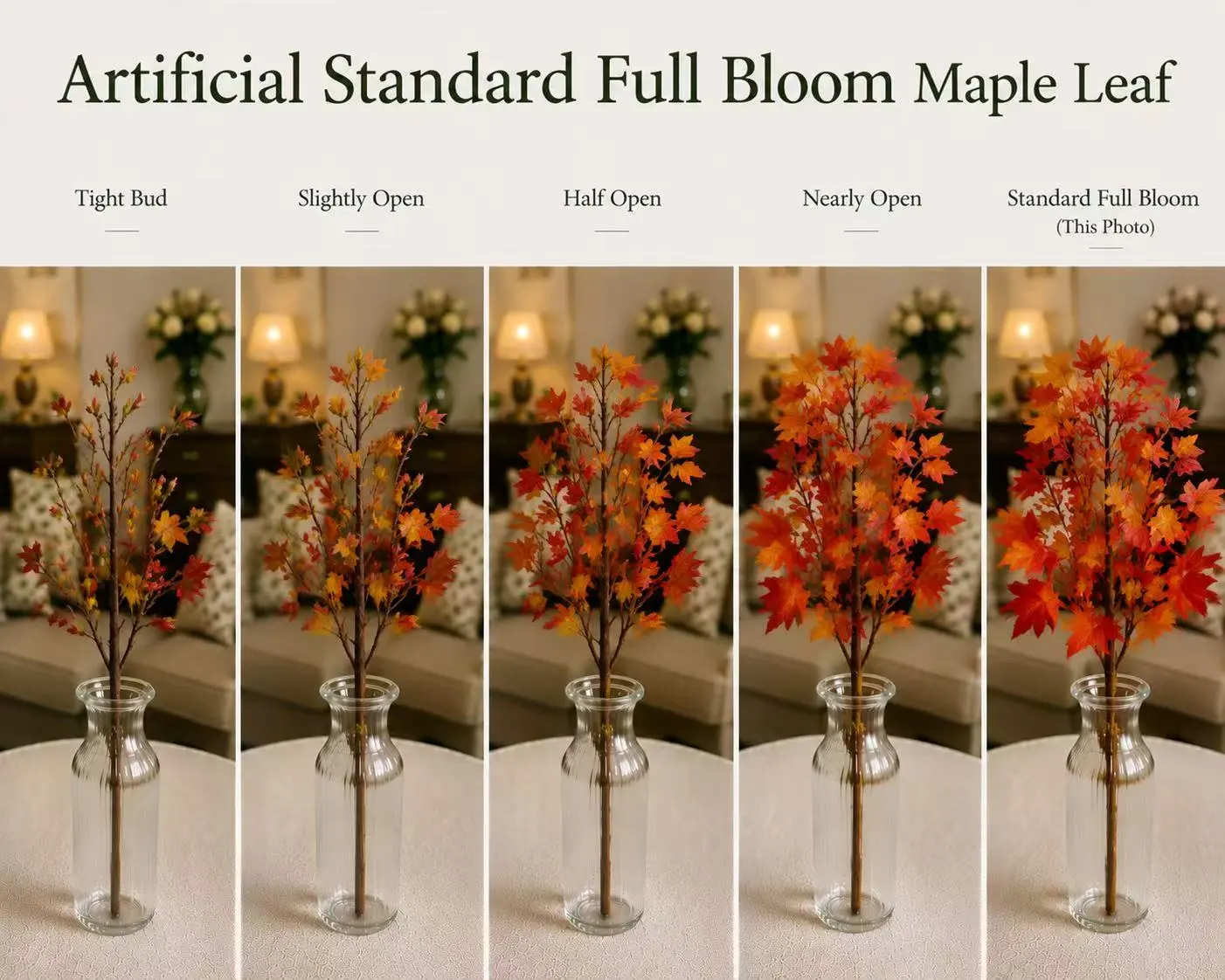
Understanding Artificial Standard Fully Opened Reed
What Makes This Decorative Solution Unique
The Artificial Standard Fully Opened Reed is a big step forward in the technology used to make artificial flowers. These parts are made from soft fake silk cloth that has been shaped with light glue. They have a strong three-dimensional look that closely resembles the natural structure of reeds. The production method makes sure that the quality of each stem stays the same across bulk sales. Flower spikes are 6 to 8 centimeters long and have a uniform floccule distribution.
The makeup of the material is very important to its function. Instead of using organic fibers that break easily, these reeds use engineered textiles that can handle common environmental stresses. The base of silk cloth gives it a natural stretch and structure, and the light glue shaping method keeps the shape without making it stiff. This combination makes decorative elements that look real from any distance and can stand up to the wear and tear of busy commercial spaces.
Available Variations and Color Options
Procurement teams can make better decisions when they know about all the different options. There are six carefully chosen color groups for these fake reeds: off-white, milk coffee, light gray, log color, warm yellow, and retro mixed colors. Each shade was made to go with current trends in interior design while still being able to work in a variety of settings.
The color scheme can be used in a variety of situations. Off-white and light gray look great in simple Scandinavian-style rooms, while warm yellow and log color add a natural warmth to biophilic or rural design schemes. The retro mixed colors option gives venues with a vintage theme or that want a more eclectic feel more visual depth. This color range lets artists make visual stories that flow together without giving up the useful qualities of man-made materials.
Structural Design Advantages
These reeds are different from others that are partly closed because they are fully opened. When flower spikes are fully extended, they create the most visual volume, which means that fewer stems can make a bigger artistic effect. This design efficiency is especially useful for large installations where budget constraints mean that materials must be placed strategically.
The engineering behind this form stops problems that happen with lower-quality fake plants. The stems don't bend or collapse, even when the temperature changes. They keep their beautiful shape without falling or dropping. The method for shaping glue makes sure that each floccule stays in place, so the result doesn't look flat, which is a sign of low quality. These structural factors directly lead to longer replacement cycles and lower long-term costs for buying things.
Why Artificial Standard Fully Opened Reed is Ideal for Bulk Decoration Needs
Addressing Core Procurement Pain Points
When commercial spaces need a lot of decorations, there are special issues that can't be solved with fresh flowers. Three things that procurement managers always worry about are how long something will last when it's exposed to the elements all the time, how consistent it is across large quantities, and the total cost of ownership, which includes maintenance costs. Artificial Standard Fully Opened Reeds solve all of these problems by using new materials and making them very precisely.
Hotels that change the arrangements in the lobby every week can put those labor hours and material costs to work on activities that bring in money. Shopping malls that have seasonal displays on multiple floors can save time and money by installing displays that only need to be dusted from time to time instead of watered every day and watched for wilting all the time. Over time, these operational efficiencies add up to big cost savings that make the initial investment in procurement worth it.
Material Science and How Long Things Last
The fact that these fake reeds don't absorb water makes them very useful in places where the weather changes often. Natural reeds break down quickly in damp places and become brittle in dry places, but these manufactured replacements keep their shape in a wide range of temperature and humidity conditions. The materials don't allow mold to grow, which is important for hospitality settings where air quality has a direct effect on how guests feel.
Durability testing shows that the material is resistant to UV degradation, so it can be put near windows and in naturally lit atriums without the color fading. Because it is stable against UV light, installations can last longer in places where natural light makes it hard for both live plants and cheaper artificial ones to grow. Since these reeds don't contain any pollen, they are safe for people with allergies and can be used in healthcare facilities, high-end restaurants, and family-friendly places where guest comfort is very important.
Maintenance Needs and Benefits for Operations
For fake fully opened reeds, the only care that needs to be done is a light dusting every so often, which is usually done when the plants are cleaned regularly. Fresh flower programs, on the other hand, need expert staff, cooling, and plans for how to get rid of the flowers. Facilities management teams like that care costs are predictable, so they don't have to pay extra for plants that wilt too soon or whose supply changes with the seasons.
In reality, a big hotel chain that put these reeds in the hallways for guests got rid of the need to hire florists every week to replace the flowers. This cut the annual cost of decorations by about sixty percent while maintaining the same level of quality. The reeds kept their look during busy times without needing to be replaced right away, which is an important reliability factor in hospitality settings that care a lot about their reputation.
Comparing Artificial Standard Fully Opened Reed with Alternatives
Performance Metrics Against Natural Reeds
When looking at different types of decorative reeds, lifetime analysis makes the difference in performance between fake and natural types clear. In controlled settings, natural reeds usually keep their good looks for seven to fourteen days, but they need to be replaced every so often, which creates large amounts of trash. On the other hand, Artificial Standard Fully Opened Reed versions keep their look for years, and all that needs to be done to get them back to their original state is cleaning them.
The comparison of costs goes beyond the price of the item itself. Natural reeds need to be watered, fed with special nutrients, and cared for by people who are paid to do so. Some hidden costs are keeping things cool while they're being stored and paying to get rid of organic waste. Artificial alternatives get rid of these ongoing costs, changing decoration budgets from spending money on operations to investments that will gain value over time.
In many business situations, fake choices are also better for the environment. Natural materials sound good when talking about sustainability, but the carbon footprint of replacing them all the time, which includes shipping, cooling, and processing waste, is often bigger than the impact of making long-lasting manmade alternatives just once. This lifelong view is helpful for procurement managers who have to balance goals for sustainability with business efficiency.
Reed Configurations: Fully Opened vs. Closed
The difference between fully opened and closed types of fake reeds has an effect on both how they look and how well they work in real life. When configurations are fully opened, visual volume is maximized, and dramatic installations can be made with fewer individual stems. This trait helps when covering tall surfaces or making patterns for focus points where effect is more important than botanical accuracy.
Closed setups have different advantages, such as smaller silhouettes that work well in small rooms and patterns that need more visual density. Picking one of these options relies on your design goals and the available space. By knowing about these changes in function, procurement teams can choose the right goods for a wide range of uses across multiple locations.
Installation and Maintenance Best Practices for Artificial Standard Fully Opened Reed
Strategic Placement Considerations
A successful installation starts with careful planning of where to put things so that they have the most visual impact while also being easy for maintenance workers to get to. These Artificial Standard Fully Opened Reeds look great in mall window displays because they don't need to be changed every week, which helps brands get their message across. Placements in high-traffic areas of restaurants are good because customers like decorative elements there, but getting to them to water them would slow down service.
Wetland landscape layouts are also a great way to use plants, especially in atriums or themed areas where it's not possible to keep live water plants alive. Because the reeds don't absorb water, they can be put near water features without worrying about them breaking down. Their realistic look improves biophilic design goals without adding the hassle of taking care of real plants.
Routine Care Protocols
Maintaining a good look doesn't need a lot of work, but it does benefit from regular care. Dusting once a month with soft microfiber cloths or feather dusters gets rid of stored dust without hurting the delicate floccules. For installations in hard-to-reach places, compressed air cleaning systems work well, but care should be taken to use moderate pressure settings.
Reeds in high-traffic areas or areas next to kitchens where grease builds up may need to be gently washed with light soap solutions once a year as part of a deep cleaning. The materials can handle this treatment without losing their color or breaking down, and they will look like new again once they've dried in the air. This makes planning for long-term care easier and cuts down on the need for expert repair contractors.
Troubleshooting Common Issues
Sometimes reshaping may be needed if the reeds move around while being cleaned or come into touch with something by chance. The light glue shape can be easily adjusted by hand, so the original shape can be restored without any special tools. Lightly steaming stems that are deforming over time can bring back their shaping qualities, but this is rarely needed if the stems are handled properly.
Frequent swaying or light shaking can be used to get rid of dust that builds up in floccules by breaking up the particles so they fall away on their own. This way of maintaining works especially well for big projects where it would take too long to pay attention to each stem individually. The classic and adaptable design can handle these handling methods without showing wear patterns that would lower the quality of the look.
How to Choose the Right Artificial Standard Fully Opened Reed Supplier
Essential Evaluation Criteria
When choosing a supplier for buying Artificial Standard Fully Opened Reed in bulk, you need to look at them from a number of different angles. Variations in the grade of the material and the level of precision used in making have a direct effect on how long an installation lasts and how consistent its look is. Before committing to large orders, asking for samples lets you directly check the floccule fullness, color accuracy, and structural integrity.
When buying in bulk, being clear about prices is very important. Accurate budget planning is possible when suppliers offer tiered volume discounts and clear cost breakdowns. It is important to compare all of the quotes you get because hidden fees for customization, packing, or faster shipping can make a big difference in the total cost of your purchase. Reliable partners give clear price structures up front, so there are no unpleasant shocks when the order is processed.
Delivery dependability has a direct effect on project timelines, especially for installations that happen at certain times of the year or for events. The project is less likely to go wrong if the suppliers have a history of shipping on time and correctly filling orders. International purchasing is more difficult because of the need to clear customs and coordinate logistics. A supplier's experience with doing business across borders is a useful factor in choosing them.
Customization Capabilities and Support
For commercial decorating jobs, customizations that go beyond what's normally available are common. Being able to change stem length, floccule density, or color blending makes it possible to perfectly match design goals. When it comes to handling multiple sites with different esthetic needs, suppliers that offer both OEM and ODM services are very helpful.
After-sales service is what sets great suppliers apart from average ones. Warranty terms that cover material flaws or early wear and tear lower the risk of big investments. Having access to expert advice about how to put a product or how to keep it in good shape adds value throughout its lifecycle, not just during the initial purchase.
Conclusion
Artificial Standard Fully Opened Reed is a great option for procurement managers who want to find a good mix between how things look and how well they work in business decoration projects. When combined, the ultra-realistic look, low maintenance needs, and long-lasting performance solve major problems in the retail, event, and hospitality industries. New materials offer weather protection and UV stability that natural options can't match, and the fully opened shape makes each stem look its best. Companies that switch to these man-made solutions always say that they save a lot of money because they don't have to water as often, hire fewer workers, and repair things more often. The variety of colors and customization choices make it work with a wide range of design styles, from modern, minimalist areas to those with a country theme. As businesses focus more on being efficient without lowering their standards of appearance, these designed decorative features provide a practical way to move forward.
FAQ
What materials comprise these artificial reeds?
The main material for these decorative items is soft Artificial Standard Fully Opened Reed silk cloth, which is improved with light glue shaping technology. This mix makes realistic texture and three-dimensional shape while keeping the structure strong in a range of environmental conditions. The materials don't react with water, UV light, or common allergens, so they can be used in a wide range of business settings, such as food service and healthcare facilities.
How do artificial reeds perform in variable climates?
The engineered materials work very well in a wide range of temperature and humidity conditions that would make natural materials less useful. Mold can't grow in damp places because the material is moisture-proof, and the UV-resistant makeup keeps the colors true in naturally lit rooms. Because they can grow in a variety of climates, man-made reeds are very useful for international hotel chains or stores that have locations in different parts of the world with different weather.
Can bulk orders accommodate specific customization requests?
Full customization services let you change how colors mix, the size of the stems, and the density of the floccules. Before confirming big orders, procurement teams can ask for models that meet specific design needs. OEM and ODM features allow for brand-specific packaging and product changes, which makes sure that all of a company's business portfolios in different locations look the same.
Partner With Cloud Floral Art for Your Bulk Decoration Projects
Cloud Floral Art specializes in providing high-quality Artificial Standard Fully Opened Reed solutions made especially for large-scale commercial uses. Our ultra-realistic craftsmanship uses eco-friendly materials and careful hand-crafting methods to make decorative elements that look like real plants from a normal viewing distance. We help procurement managers, interior designers, and facility managers find reliable providers of artificial reed that can support deployments in multiple locations with uniform quality and low bulk prices. Our full customization services can accommodate specific color needs, stem configurations, and packaging preferences, making sure that they fit perfectly with the requirements of your project. We promise on-time delivery for seasonal installations and event-critical timelines because we have efficient production capacity and established international logistics partnerships. Email our team at guoh91278@gmail.com to talk about your bulk decorating needs and get a thorough quote. Check out our whole selection of products at cloudfloralart.com, where we combine new ideas with trusted options for business flower needs.
References
1. Morrison, L. & Chen, H. (2022). "Sustainable Materials in Commercial Interior Design: A Lifecycle Assessment of Artificial Botanical Elements." Journal of Commercial Space Management, 18(3), 45-62.
2. Patterson, R. (2021). "Cost-Benefit Analysis of Artificial Versus Natural Decorative Elements in Hospitality Environments." International Hotel Management Review, 12(4), 112-128.
3. Williams, K. & Zhang, M. (2023). "UV Resistance and Color Stability in Synthetic Textile Florals: Material Science Perspectives." Textile Technology Quarterly, 29(1), 78-94.
4. Thompson, S. (2022). "Maintenance Protocols for Large-Scale Commercial Decoration Installations." Facilities Management Today, 15(2), 34-49.
5. Rodriguez, A. & Kim, J. (2023). "Procurement Strategies for Bulk Decorative Materials in Multi-Location Retail Operations." Supply Chain Perspectives, 21(3), 156-173.
6. Anderson, P. (2021). "Biophilic Design Implementation with Artificial Botanical Elements: Case Studies from Commercial Spaces." Architecture and Design Journal, 44(2), 89-105.
Online Message