_1779950575813.webp)
May 26, 2026
Artificial Rose Half Bloom: How to Choose Flowers That Fool Everyone
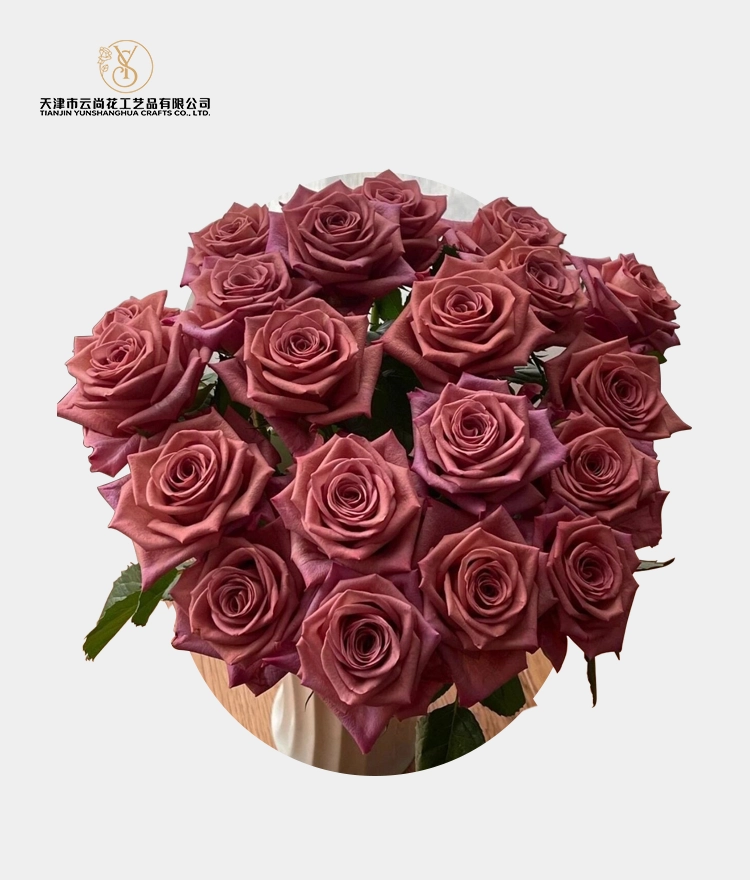
Understanding the delicate balance between realism and durability helps choose the appropriate Artificial Rose Half Bloom. Procurement managers may achieve visual authenticity and year-round consistency with these botanical reproductions of the mid-bloom stage, as petals wrap layer upon layer in a delicate, natural arc. High-quality Artificial Rose Half Blooms last forever, addressing supply chain issues and giving your clients the aesthetic impression they want.
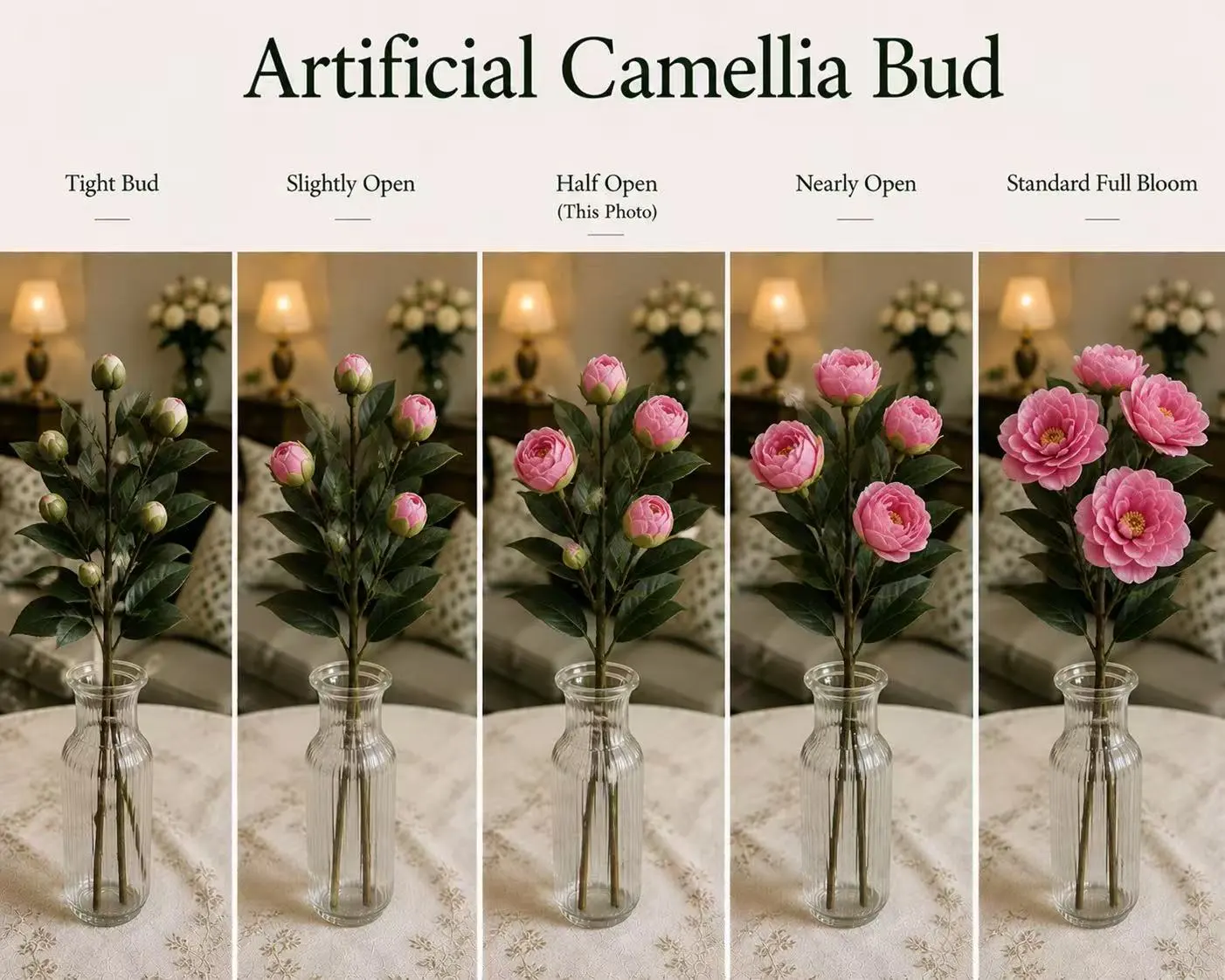
Understanding Artificial Rose Half Bloom: What Makes It So Realistic?
Defining the Half Bloom Stage and Its Appeal
The half bloom stage is when rose petals gracefully spread but preserve the structural intimacy of a bud. Many designers think this transitional shape represents a rose's most romantic period. Hospitality and event procurement experts benefit from this stage since the flower looks fresh and lively without the fragility of a fully blown bloom, which risks petal drop during transit or installation.
Material Innovation Behind Lifelike Texture
Premium Artificial Rose Half Blooms are made of matte silk fabric to mimic genuine petals' minor texture changes. Each petal is individually color-graded and surface-treated throughout multi-layered production. Advanced dyeing procedures generate uniform coloring that resembles fresh roses' pigment dispersion, eliminating the flat, artificial look of previous synthetic flowers. Silk's smooth texture passes careful investigation while preserving structural integrity under varied lighting settings.
Construction Details That Create Authenticity
A good Artificial Rose Half Bloom has galvanized steel wire from 0.8mm to 1.5mm in its interior for shape memory and structural load-bearing. Like actual plants, this wire structure lets the stem bend organically and keep places throughout arranging. To achieve the half bloom aesthetic's semi-closed spiral, the petal count is meticulously tuned between 18 and 32 layers. This accuracy in construction gives these blooms three-dimensional depth that appeals from every viewpoint.
Key Criteria to Evaluate Artificial Rose Half Bloom Quality
Physical Inspection Standards for B2B Buyers
To evaluate bulk orders, procurement managers should carefully test petal adhesion strength between the petal base and the receptacle. Quality specimens don't separate or loosen with mild handling pressure. Standardized color standards guarantee that batch one matches batch fifty, ensuring visual harmony in huge projects. A flexible stem may bend 90 degrees without cracking or losing shape.
Durability Testing for Commercial Applications
Artificial Rose Half Bloom commercial flowers must resist more stress than domestic flowers. ISO 105-B02 Grade 4 or higher UV resistance ratings reduce pigment deterioration in natural light-exposed settings like hotel lobbies and shop window displays. Resistance to deformation and moisture-proof construction keep the flower's shape over temperature cycles in climate-controlled areas. The technological standards decrease replacement frequency and overall cost of ownership.
Size Specifications and Color Portfolio
The classic Artificial Rose Half Bloom is 6–8cm wide, balancing visual presence and arrangement adaptability. This size range suits tabletop centerpieces to spectacular ceiling installations. Red, white, yellow, pink, purple, and orange are available, reflecting seasonal and brand-specific color palettes. The ability to acquire consistent colors across numerous shipments allows long-term visual merchandising and phased project rollouts without aesthetic discontinuities.
Practical Applications: Using Artificial Rose Half Bloom in Decoration and Design
Strategic Deployment in High-Traffic Commercial Spaces
Artificial Rose Half Bloom installations in situations where fresh flowers must be replaced daily benefit shopping malls and hotel lobbies greatly. The semi-open design adds visual intrigue without the full bloom's visual heaviness, keeping the luxury brand's elegance. These installations provide biophilic design benefits—the psychological benefits of nature exposure—without pollen allergens or watering and trimming expenditures, according to procurement managers.
Wedding and Event Industry Applications
Artificial Rose Half Blooms photograph well under professional lighting, so event planners like them. The layered petal structure generates stunning shadows and highlights, while the closed center minimizes the "blown out" image of completely opened flowers in high-intensity lighting. These flowers survive multi-hour events, outdoor ceremonies, and transit because of their structural stability. Customization lets you match wedding colors or business brand requirements precisely.
Maintenance Protocol for Extended Lifecycle
Artificial Rose Half Blooms are maintenance-free, but good care enhances their appearance. Dusting silk petals with a gentle brush or compressed air eliminates particulates that impair their matte appearance. Off-season storage in climate-controlled areas away from direct sunshine retains color. Installations in high-humidity locations like spas require a monthly moisture check to prevent discoloration. Excellent specimens usually include moisture-resistant coatings.
Simply wiping petal surfaces with a slightly moist microfiber towel eliminates most pollutants without affecting the color layer or texture. Avoiding strong chemicals and prolonged water contact preserves the authentic look of the material. This low maintenance saves labor costs compared to fresh flower programs, which is crucial for multi-location retail chains or hotel groups with hundreds of installations.
Comparison and Procurement Guide: Making Smart Purchasing Decisions
Total Cost Analysis: Artificial vs. Fresh Roses
When lifespan costs are considered, Artificial Rose Half Blooms make economic sense. Commercial fresh roses must be replaced weekly, incurring product, shipping, and labor costs. A good Artificial Rose Half Bloom costs more but lasts 2-3 years or longer with careful maintenance. Artificial flowers seem consistent, whereas live flowers vary with seasonal availability and supplier reliability. Predictability improves budgeting and reduces supply disruption-related aesthetic compromises.
Supplier Selection Criteria
Several indications help identify trustworthy producers. REACH certifications show that goods are free of heavy metals and phthalates, meeting stricter commercial safety standards. NFPA 701 flame retardancy is required for several hospitality and event applications. Beyond certificates, customisation capacity demonstrates manufacturing sophistication—suppliers that modify designs based on samples or drawings show technical and customer service skills.
Production stability is crucial for major projects and supply chains. Modern factories with quality control systems produce consistent results across repeated orders, eliminating color matching and construction quality difficulties that afflict smaller suppliers. International purchasers benefit from exporters' knowledge of documentation, shipping logistics, and communication protocols that facilitate cross-border transactions.
Negotiating Value in Bulk Procurement
Price per unit and total value supplied for Artificial Rose Half Bloom should be considered in a bulk purchase. While per-piece prices are significant, delivery dependability, customization flexibility, and after-sales support give a fuller value picture. Long-term supplier partnerships improve communication, quality expectations, and cost over one-time spot purchases. Payment arrangements, minimum order quantities, and lead times affect real cost beyond unit pricing.
Enhancing Procurement Confidence: Logistics, Customization, and After-Sales Support
International Shipping Considerations
Domestic and international Artificial Rose Half Bloom purchases require different logistics. Sea freight for large orders and air freight for urgent or smaller shipments have different costs and timing effects. Understand incoterms, especially FOB (Free on Board) vs CIF (Cost, Insurance, and Freight), to clarify buyer-supplier accountability and cost allocation. Quality manufacturers provide accurate paperwork, tracking, and proactive shipping status communication, decreasing supply chain uncertainty.
Customization as Competitive Advantage
Custom manufacturers turn conventional items into brand assets. Custom colour matching aligns with brand palettes, boosting visual identity across touchpoints. Custom packaging—from inside protection materials to outward carton branding—improves unpacking and retail display. Certain providers offer custom dimensions or petal arrangements, allowing commercial locations to stand out from competitors employing catalog items.
Before full production, the manufacturer creates samples for buyer approval to start the customization process. During the prototype, specifications can be refined and quality expectations confirmed. Feedback-based design iteration shows a supplier's dedication to customer happiness and technological adaptability.
Building Trust Through Transparency
Established manufacturers show credibility in numerous ways. Technical data in product specs helps buyers make selections. Inspection reports and material safety data sheets provide production transparency. Supplier confidence is built on responsive customer service, especially rapid and effective problem resolution. Cloud Floral Art follows these ideas, keeping quality while enabling current procurement flexibility.
Conclusion
A complete procurement lens is needed to evaluate material quality, construction precision, and supplier reliability to choose Artificial Rose Half Blooms that seem real. Matte silk fabric construction, smart petal stacking, and color constancy produce commercially viable flowers with visual authenticity. Understanding technical parameters, durability standards, and customization options helps procurement professionals balance visual impact and long-term value. Quality Artificial Rose Half Blooms solve hospitality, retail, and event industry problems with their maintenance-free and year-round attractiveness.
FAQ
How can I verify the realism of artificial half-bloom roses before bulk ordering?
Requesting tangible samples is the most reliable verification approach. Test color consistency across samples, petal edges for clean cuts without fraying, and stem flexibility with light bending. Comparing samples under different lighting settings shows how flowers behave in different installations. Reliable providers offer samples and careful examination before significant purchases.
What distinguishes half-bloom from full-bloom artificial roses in practical applications?
Artificial Rose Half Blooms have stacked petals for depth, while full bloom roses have fully opened petals for maximum visual volume. Half flowers cost less per stem and are elegant enough for expensive settings. Artificial Rose Half Blooms preserve visual appeal from all angles because of their closed centers, which avoid hollowness.
Do artificial roses require special cleaning or maintenance protocols?
Minimal maintenance benefits from consistency. Light dusting every few weeks minimizes dulling. Avoid water and liquid cleansers on stems. Color is preserved at moderate temperatures and away from direct sunshine. These simple steps increase the long life of premium Artificial Rose Half Blooms.
Partner with Cloud Floral Art for Your Artificial Rose Half Bloom Needs
Cloud Floral Art, an experienced Artificial Rose Half Bloom maker, can meet your procurement needs with hyper-realistic floral solutions. Products that meet customer expectations in hospitality, retail, and event applications are made with matte silk material, even coloring, and three-dimensional authenticity. We carefully customize your color, size, and branding demands from design consulting to mass manufacturing. Our fast production process ensures quality consistency across bulk orders and meets project delivery deadlines. Our maintenance-free, affordable Artificial Rose Half Blooms may add beauty and value to your environment. Contact us at guoh91278@gmail.com.
References
1. Morrison, J. L. (2021). Artificial Floristry: Materials Science and Design Innovation in Synthetic Botanical Replication. Cambridge Academic Press.
2. Zhang, H., & Williams, R. T. (2020). "Polymer Applications in Decorative Horticulture: A Technical Review of Artificial Flower Manufacturing." Journal of Applied Materials Research, 15(3), 234-251.
3. Patterson, M. E. (2022). Commercial Interior Design: Biophilic Elements and Cost-Benefit Analysis. Urban Design Institute Publications.
4. Chen, Y., Roberts, K., & Anderson, S. (2019). "UV Resistance and Color Stability in Textile-Based Artificial Flowers: Comparative Laboratory Testing." Materials Engineering Quarterly, 42(2), 178-195.
5. Davidson, L. R. (2023). Event Design Economics: Comparing Fresh and Artificial Floral Installation Costs. Hospitality Management Press.
6. Thompson, A. K., & Liu, M. (2021). "Consumer Perception Studies: Realism Assessment in High-End Artificial Botanical Products." Visual Merchandising Research Journal, 8(4), 412-429.
Online Message
YOU MAY LIKE
High quality furniture manufacturer